In celebration of South African image makers
The fashion image has never been created by one person.
Behind every photograph, campaign, editorial or film is a network of creative disciplines working together to shape what we ultimately see. The stylist, photographer, hairstylist, make-up artist, producer, filmmaker, set designer and creative director all contribute to the final image.
Yet for years, we have largely understood these people through their job titles.
Stylist. Photographer. Hairstylist. Make-up artist. Producer. Filmmaker.
These titles remain important. They tell us where someone’s expertise lies. But increasingly, they no longer tell us the full story.
Because a creative practice can become much bigger than the role attached to it.
WHEN THE ROLE BECOMES THE PRACTICE
A stylist isn’t simply dressing someone.
They are considering casting, proportion, references, silhouette, character and context. They are deciding what belongs together and what doesn’t. They are helping determine how a person exists within an image.
A hairstylist isn’t simply creating a hairstyle.
Hair can change the silhouette of an entire look. It can establish character, reference a period or culture, create movement and fundamentally alter how a face and garment are perceived.
A make-up artist isn’t simply applying make-up.
Beauty can become transformation, storytelling and identity. Texture, colour, skin and shape can all become creative decisions within the larger visual language of an image.
A photographer isn’t simply taking a photograph.
They determine what we see, what we don’t see and how we experience what is in front of the camera. Lighting, framing, location, perspective and timing all become part of their authorship.
And behind the scenes, producers and filmmakers are shaping how ideas move from concept to reality. They create the structures through which stories are developed, executed and experienced.
The role is becoming the practice.
THE CREATIVE AS A BRAND
This is where the idea of the creative as a brand becomes interesting.
A brand doesn’t necessarily mean a product, a company or a logo.
It can simply mean a recognisable point of view.
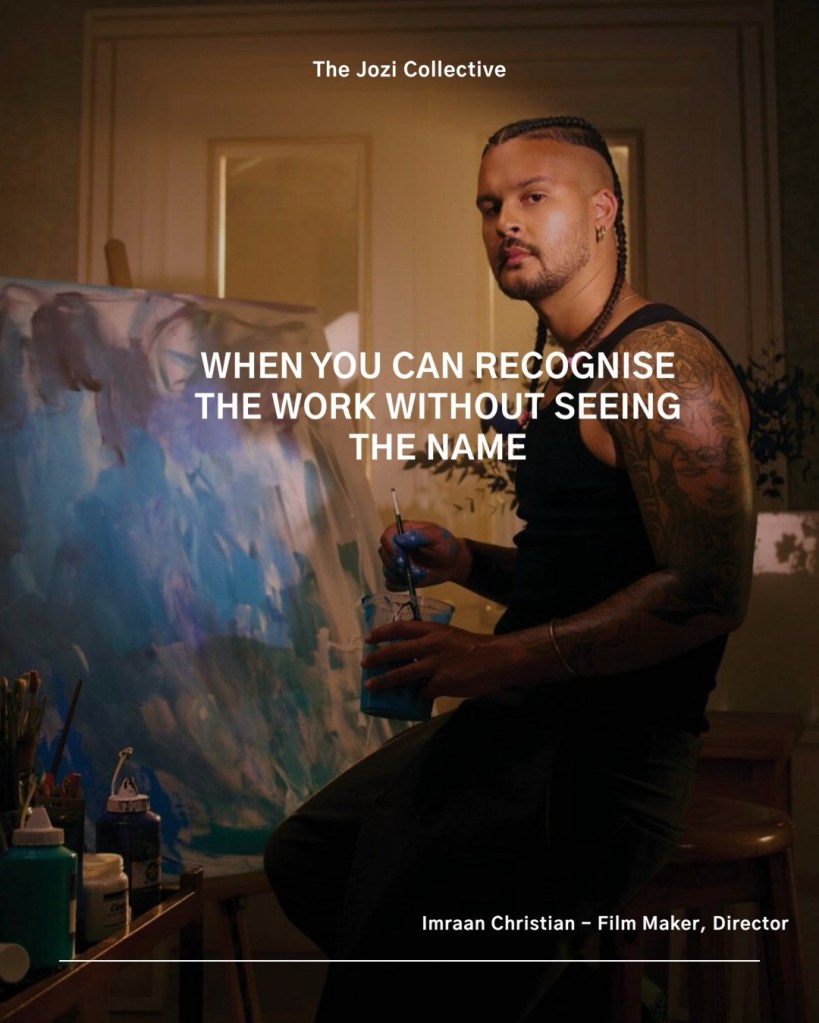
When you can see an image and recognise the photographer before seeing the credit, identify a stylist’s approach from the silhouette, recognise a make-up artist’s treatment of beauty or immediately understand the kind of world a filmmaker creates, something has shifted.
The creative has developed a language.
And when that language becomes consistent, recognisable and distinctly their own, it becomes a form of authorship.
Social media has accelerated this shift.
Creatives are no longer visible only through the work they are commissioned to produce. They can share references, behind-the-scenes processes, personal projects, collaborations and ideas directly with an audience.
People can begin to understand not only what a creative does, but how they think.
That distinction matters.
THE PEOPLE BEHIND THE IMAGE
South Africa has a growing generation of image-makers demonstrating what this evolution looks like across different disciplines.
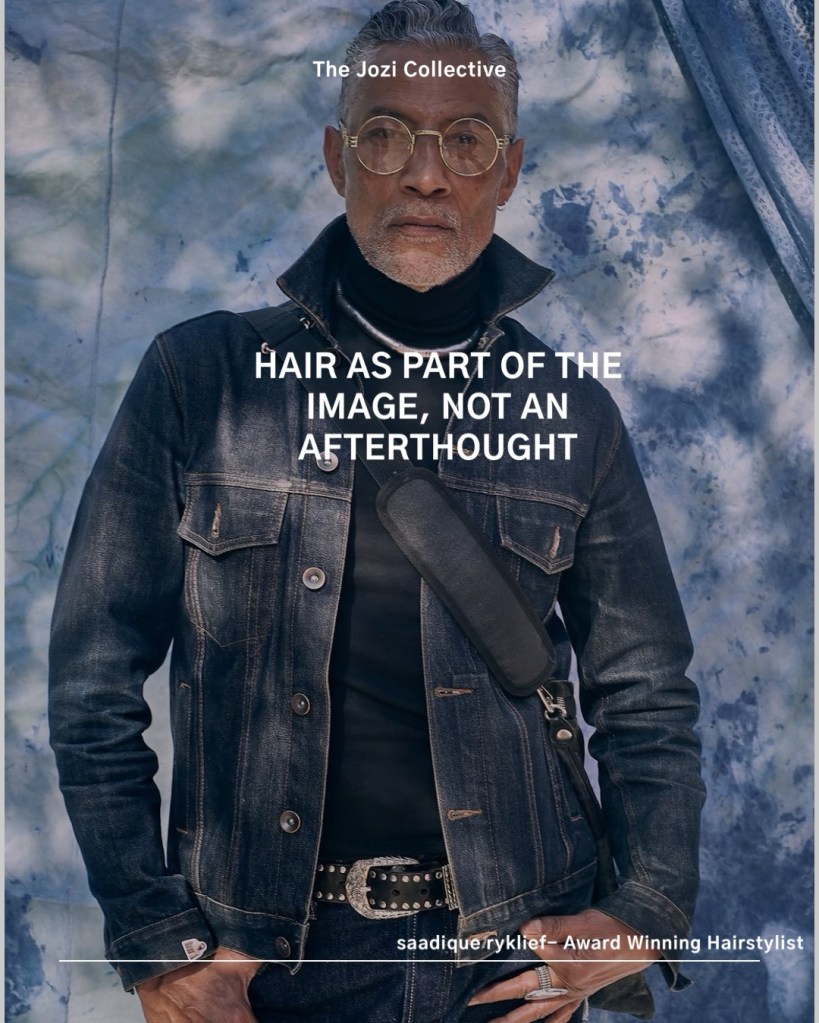
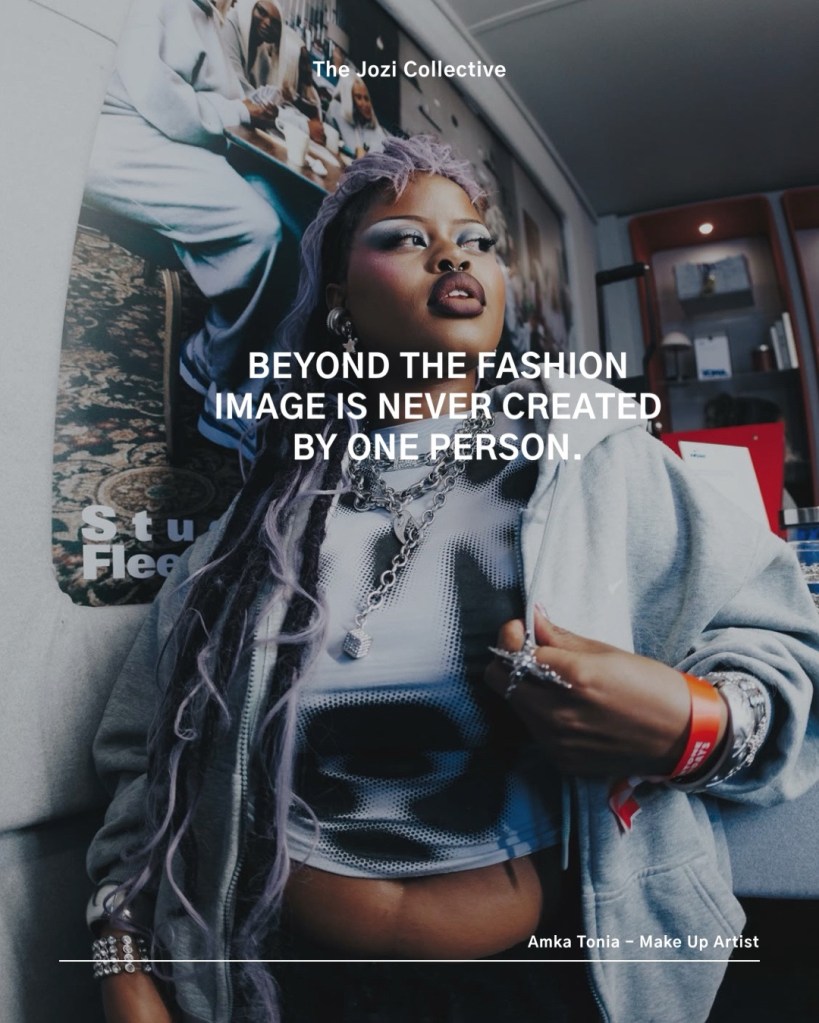
Part of the story.The face is one of the first things we encounter in an image, and the way it is interpreted can completely change the mood and meaning of a photograph.
The make-up artist is not simply making someone camera-ready.
They are contributing to how that person is imagined.
Beauty becomes authorship.
IMRAAN CHRISTIAN — PHOTOGRAPHER
Photography has always been an act of interpretation.
The photographer decides where to stand, what to frame, what to emphasise and what to leave outside the image.
Imraan Christian’s photographic practice demonstrates this idea of the photographer as storyteller and observer.
His work moves beyond simply recording a subject. It considers people, place, culture and contemporary life through a distinct visual perspective.
The photograph becomes more than documentation.
It becomes a way of seeing.
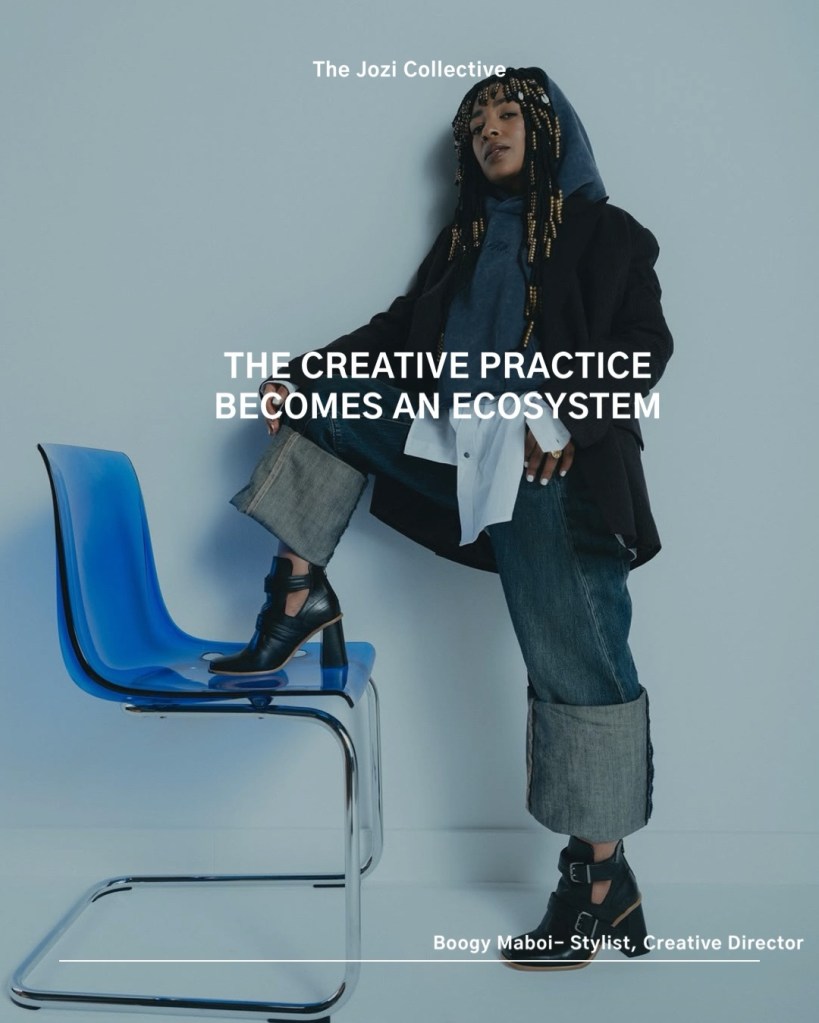
BOODY MABOI — STYLIST
Styling is often reduced to the clothes.
But the clothes are only one component of the stylist’s role.
The stylist is building relationships between garments, bodies, references, environments and characters.
Boody Maboi’s practice reflects the stylist as an image-maker — someone who uses fashion to construct identity and create a visual narrative.
The most compelling styling doesn’t simply answer the question, What should this person wear?
It asks:
Who are we creating?
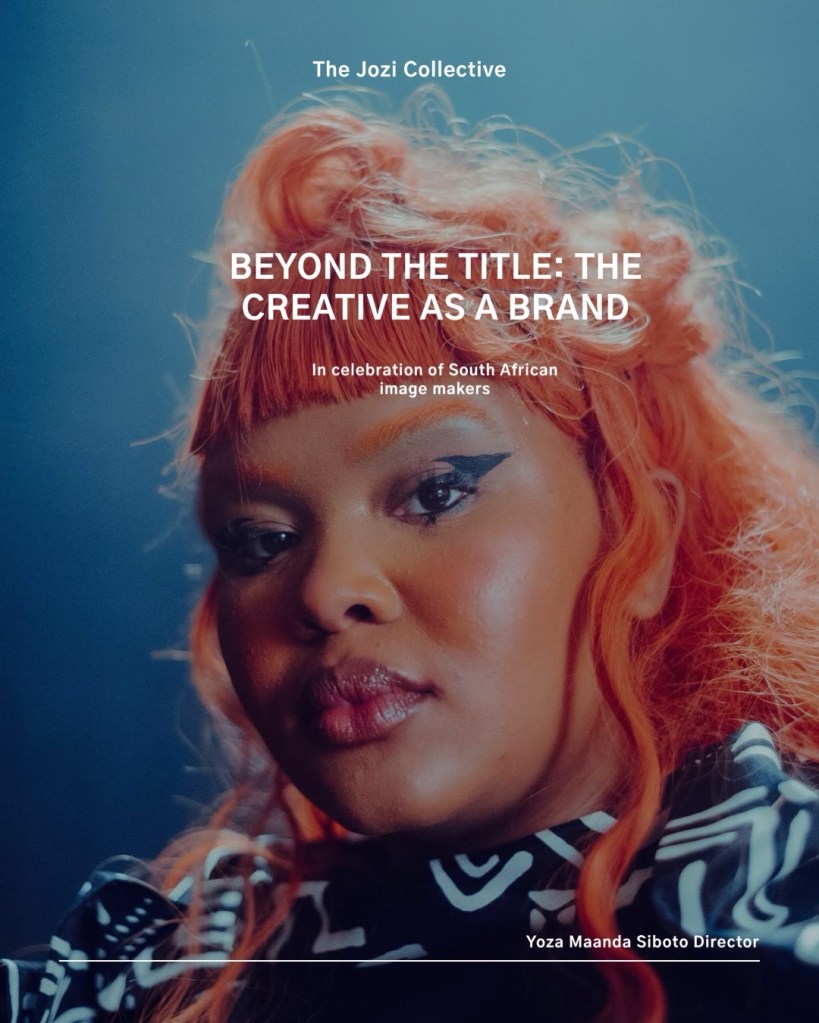
YOZA MAANDA SIBOTO — CREATIVE / IMAGE-MAKER
The contemporary creative practice is increasingly fluid.
The boundaries between disciplines are becoming less rigid, allowing creatives to move between image-making, fashion, culture and other forms of visual expression.
Yoza Maanda Siboto represents this broader understanding of the creative — where the value of the work lies not only in a particular title, but in the perspective and sensibility brought to the process.
The discipline may change.
The point of view remains.
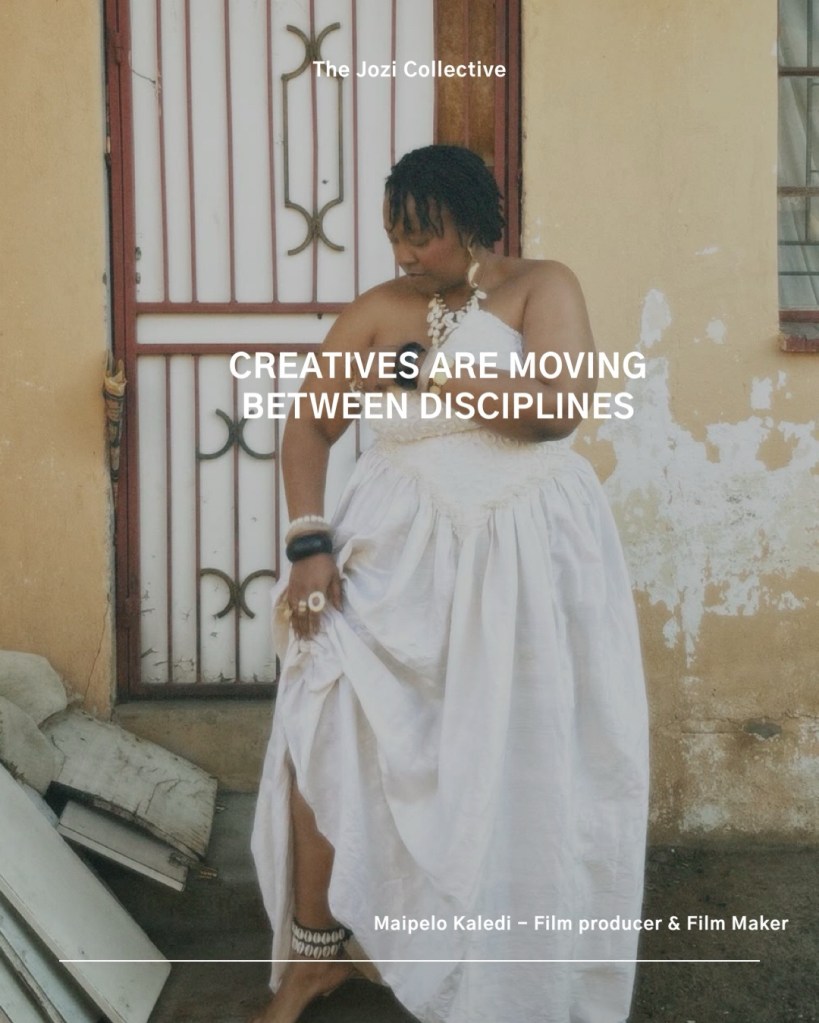
MAIPELO KALEDI — PRODUCER & FILMMAKER
Some of the most important creative decisions happen before an image is ever made.
Producers and filmmakers shape the architecture of a project: how an idea is developed, how a story is constructed, how people and disciplines come together, and ultimately how an audience experiences the finished work.
As a producer and filmmaker, Maipelo Kaledi represents this often overlooked form of authorship.
The audience may only see the final frame.
But behind that frame is an entire creative structure.
Production is part of the story.
BEYOND THE JOB TITLE
What connects these six creatives is not their discipline.
It is the fact that each discipline can become a language.
Hair can become a language.
Make-up can become a language.
Photography can become a language.
Styling can become a language.
Production can become a language.
Film can become a language.
And once that language becomes recognisable, the creative begins to develop something that is increasingly valuable within today’s creative landscape:
a signature.
That signature doesn’t have to look the same every time.
It doesn’t mean repeating one aesthetic indefinitely.
It is about developing a consistent way of thinking — a set of instincts, references, choices and perspectives that people begin to associate with your work.
A signature can exist in a casting decision.
A particular silhouette.
A hairstyle.
A way of treating skin.
A camera angle.
A location.
A rhythm of editing.
A relationship between colour and texture.
Sometimes it is subtle.
Sometimes it is unmistakable.
But it is there.
A SOUTH AFRICAN POINT OF VIEW
For South African image-makers, this evolution feels particularly significant.
Our creative landscape is shaped by complex histories, multiple cultures, identities, communities and visual references.
There is enormous value in creatives developing practices that don’t simply reproduce what already exists, but interpret fashion and culture through their own experiences and perspectives.
The opportunity is not only to participate in global image-making.
It is to contribute to the language of it.
To create images that feel connected to where we are, while still being expansive enough to travel.
To understand that South African creativity does not need to be reduced to one aesthetic.
There are many ways of seeing.
And there are many creative voices shaping what contemporary South Africa looks and feels like.
 The Jozi Collective
Leave a comment