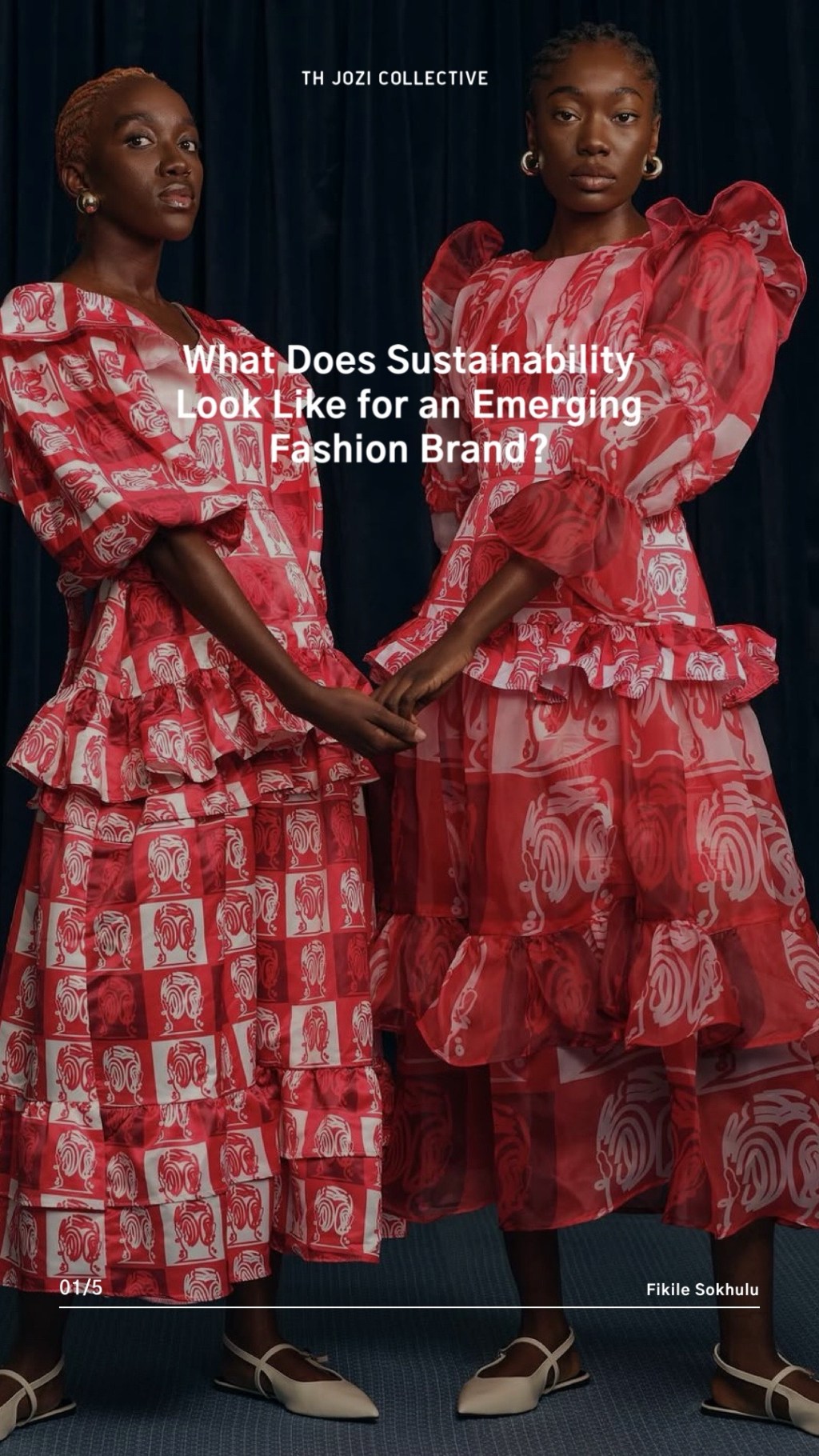
The word sustainability has become one of fashion’s favourite buzzwords. It appears in marketing campaigns, on runway collections, and throughout industry conversations. More often than not, sustainability is measured by materials like organic cotton, recycled polyester, natural dyes, biodegradable packaging, and certifications that promise a lighter environmental footprint.
These conversations matter. The environmental impact of fashion cannot be ignored.
But sustainability is often discussed through the lens of access; access to funding, certifications, premium materials, and supply chains. What happens when sustainability is viewed from a position of privilege?
For many emerging designers, particularly across South Africa and much of the Global South, sustainability begins somewhere entirely different.
It begins with survival.

An independent designer often starts with little more than an idea, a sewing machine, and determination. There are no investors, no grants, and no multimillion-rand budgets. Fabrics are bought in small quantities. Production happens from bedrooms, garages, community studios, or shared workspaces. Every garment sold finances the next collection.
In this reality, choosing the most environmentally certified fabric is not always financially possible.
Does that make these designers less sustainable?
Perhaps we have been asking the wrong question.
Maybe sustainability should not only be measured by what a garment is made from, but by the systems that keep a creative business alive.

A brand that produces thoughtfully in small quantities rather than thousands of excess garments is practising restraint. A designer who manufactures locally contributes to employment within their community. A business that pays its pattern maker, seamstress, cutter, photographer, and stylist fairly is creating an ecosystem where multiple livelihoods can continue to exist.
There is sustainability in producing only what can realistically be sold.
There is sustainability in repairing garments instead of discarding them.
There is sustainability in designing timeless clothing rather than chasing weekly trends.
There is sustainability in working with local artisans whose skills might otherwise disappear.
Most importantly, there is sustainability in building a business that can still exist five years from now.
Too often, the industry expects emerging designers to solve climate change before they have solved cash flow.
The conversation around sustainability can unintentionally become exclusionary, creating standards that only well-funded brands can realistically achieve. When certifications, expensive fabrics, and international supply chains become the primary markers of responsibility, we risk overlooking the innovative ways smaller businesses already operate.
Many emerging brands are sustainable by necessity.
They produce less because they cannot afford overproduction.
They minimise waste because every metre of fabric matters.
They work on a made-to-order basis because holding inventory is too expensive.
They source locally because importing materials is out of reach.
These are not simply financial constraints. They are business models that naturally reduce excess.
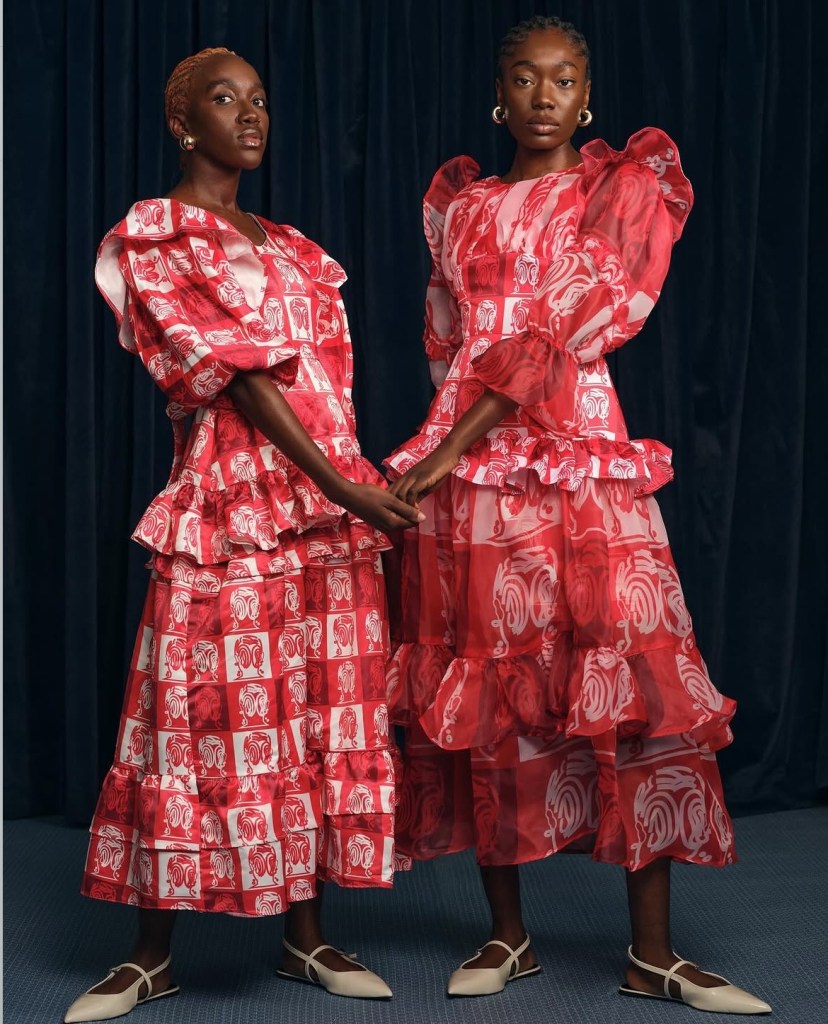
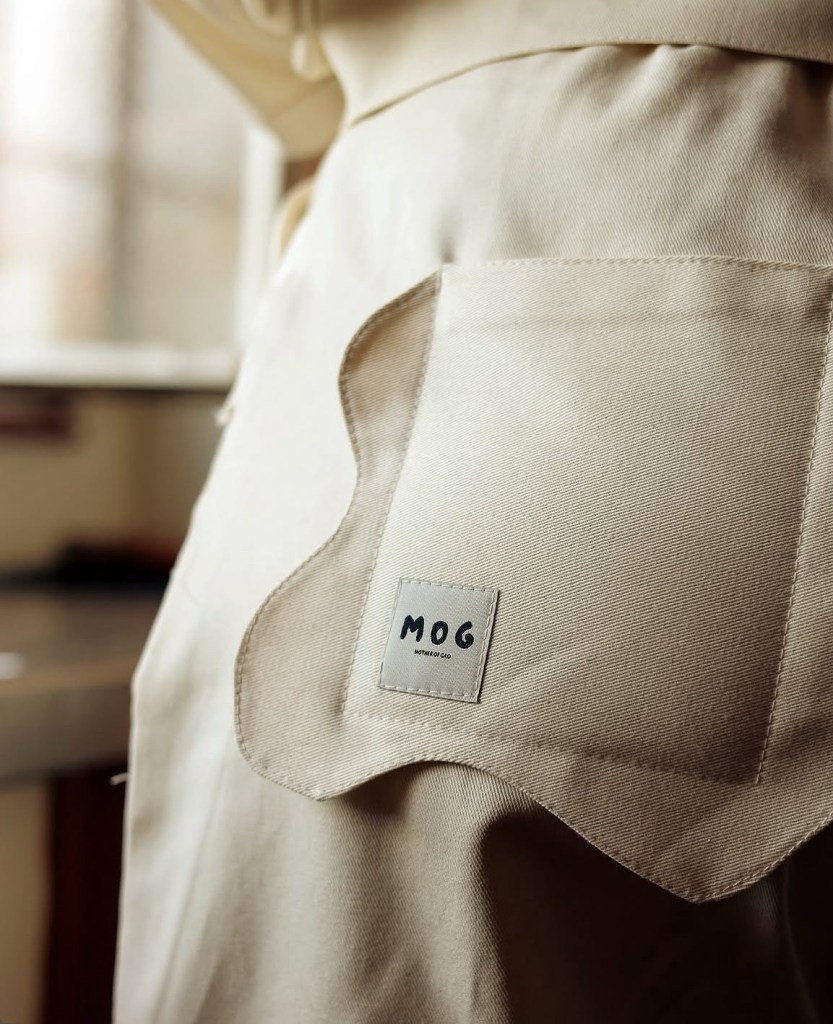
Across South Africa, many of our most exciting contemporary designers—including Fikile Sokhulu, Oyama Gonintebe, Thabo Kopele, Mother of GAO, and Movundlela—reflect different ways of building thoughtful fashion businesses. While each brand has its own design philosophy and production model, they represent a generation proving that responsible growth, craftsmanship, local production, and cultural relevance are equally important parts of the sustainability conversation.
This does not mean environmental responsibility should be abandoned. Rather, it means we should recognise sustainability as a journey rather than a fixed destination.
As businesses grow, they can invest in better materials, more efficient production, renewable energy, and circular systems. But expecting every new designer to begin at the finish line ignores the economic realities that shape creative industries across Africa.
If sustainability is about securing the future of fashion, then the conversation must also make room for the realities of emerging brands—recognising that resilience, longevity, and responsible growth are just as important as the materials themselves.
A fashion industry that cannot sustain its designers is not truly sustainable at all.
 The Jozi Collective
Leave a comment