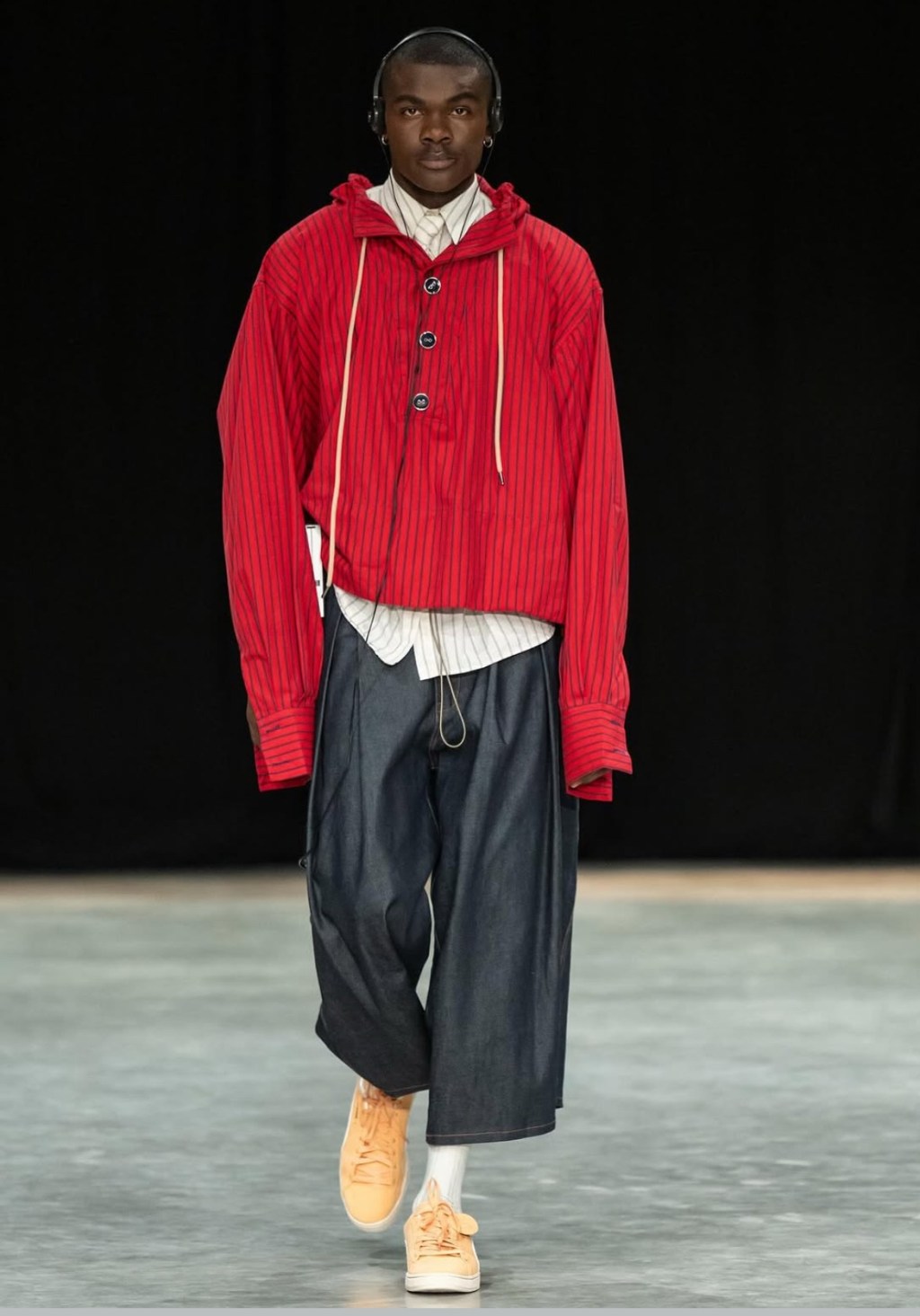
South African Fashion in Motion
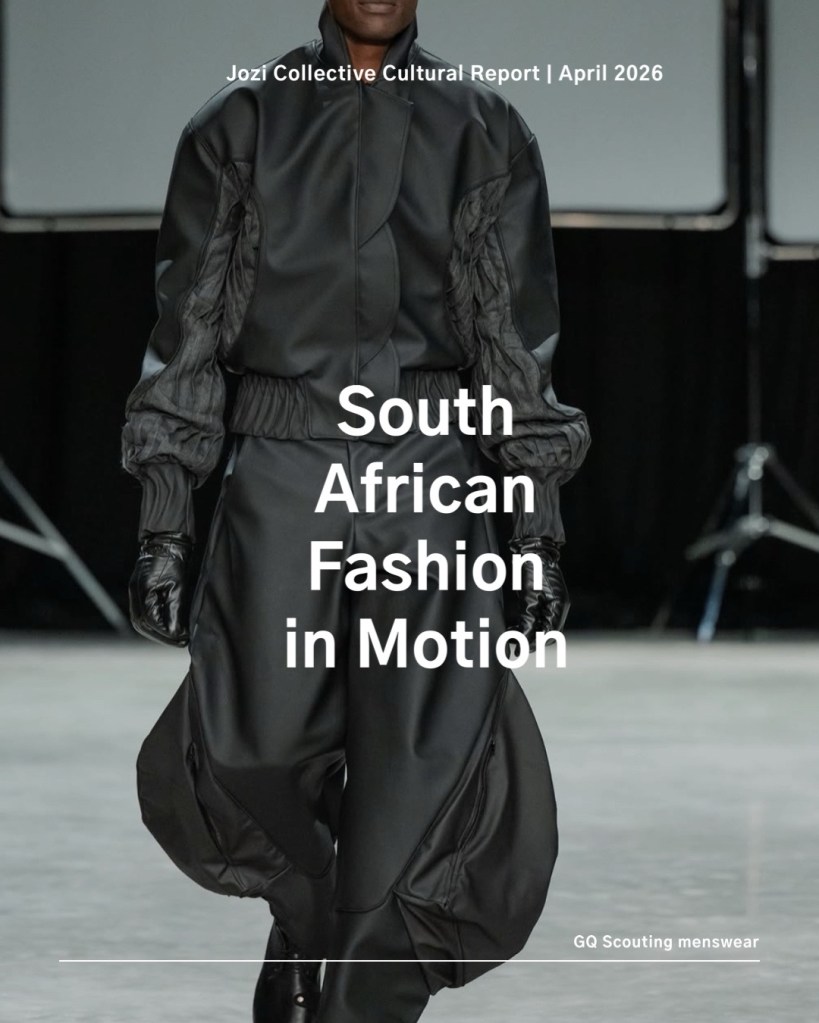
After a necessary pause over the past year, South African Fashion Week returned with renewed clarity, strength, and purpose reaffirming its place as the country’s most established and commercially influential fashion platform.
In an industry often driven by relentless production and constant output, SAFW’s decision to step back, recalibrate, and refine its direction deserves recognition. The willingness to pause in order to reassess is rarely afforded to creative institutions, yet it is often essential for sustainable evolution. Jozi Collective commends SAFW for allowing itself the space to reflect, restructure, and return stronger, setting an important precedent for other fashion platforms that may feel pressured to continuously create without strategic recalibration.
As South Africa’s premier fashion institution, SAFW continues to define industry standards while creating critical pathways for both emerging and established talent. Developmental platforms such as GQ’s menswear scouting initiatives remain significant contributors to this ecosystem, spotlighting the next generation of South African designers and expanding access into larger commercial spaces. Among these rising names, Sinchui’s recent recognition reflects the strength and promise of contemporary local design.
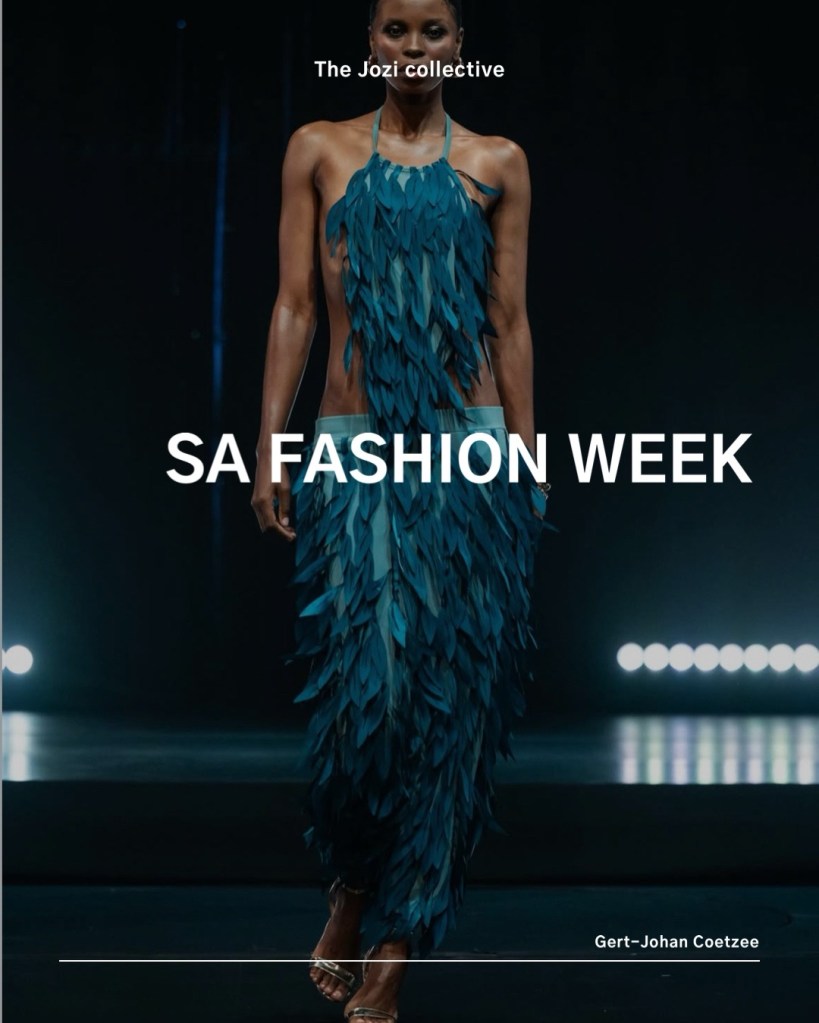
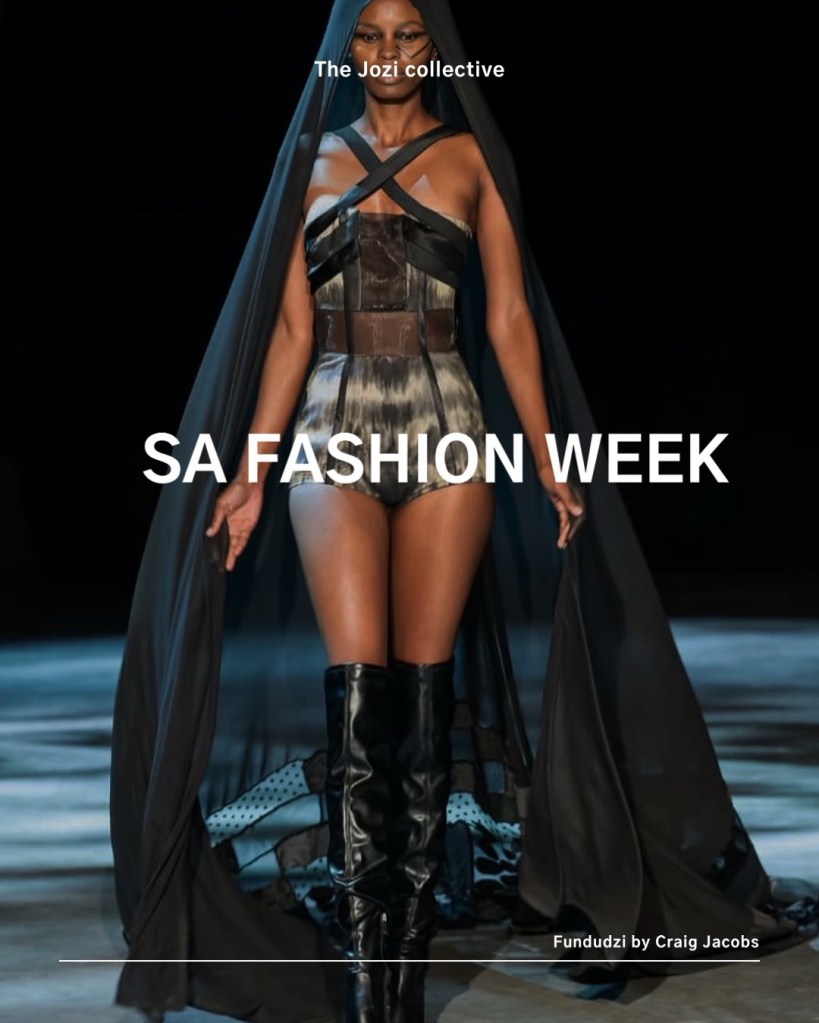
The season also delivered exceptional presentations from established industry voices. Gert-Johan Coetzee once again showcased the theatrical craftsmanship and polished elegance that have solidified his place within South African fashion history, while Fundudzi by Craig Jacobs presented one of the week’s most compelling creative narratives upcycling and reconstructing elements of previous collections into something newly relevant. This act of revisiting and reimagining past creative language demonstrated not only sustainability, but fashion’s ability to evolve while honoring its own archive.
From there, the broader fashion conversation extends to Soweto Fashion Week which is a platform where many South African fashion careers first begin.
Often underestimated in mainstream fashion discourse, Soweto Fashion Week remains one of the country’s most culturally significant institutions. It has consistently served as an accessible launchpad for Black designers, models, and creatives, functioning as both a fashion platform and cultural incubator. Rooted in township innovation, entrepreneurial spirit, and community-driven creativity, Soweto Fashion Week preserves the authenticity of South African expression while democratizing access to industry opportunities.
This season saw impactful showcases from designers such as Sassa of Haus of Sass, alongside brands like Dope Store, each contributing to a broader narrative of culturally resonant, accessible design.
Meanwhile, Week of Fashion ZA formerly recognized through SA Menswear Week continued its evolution as a progressive platform shaping conversations around African luxury, contemporary identity, and design innovation.
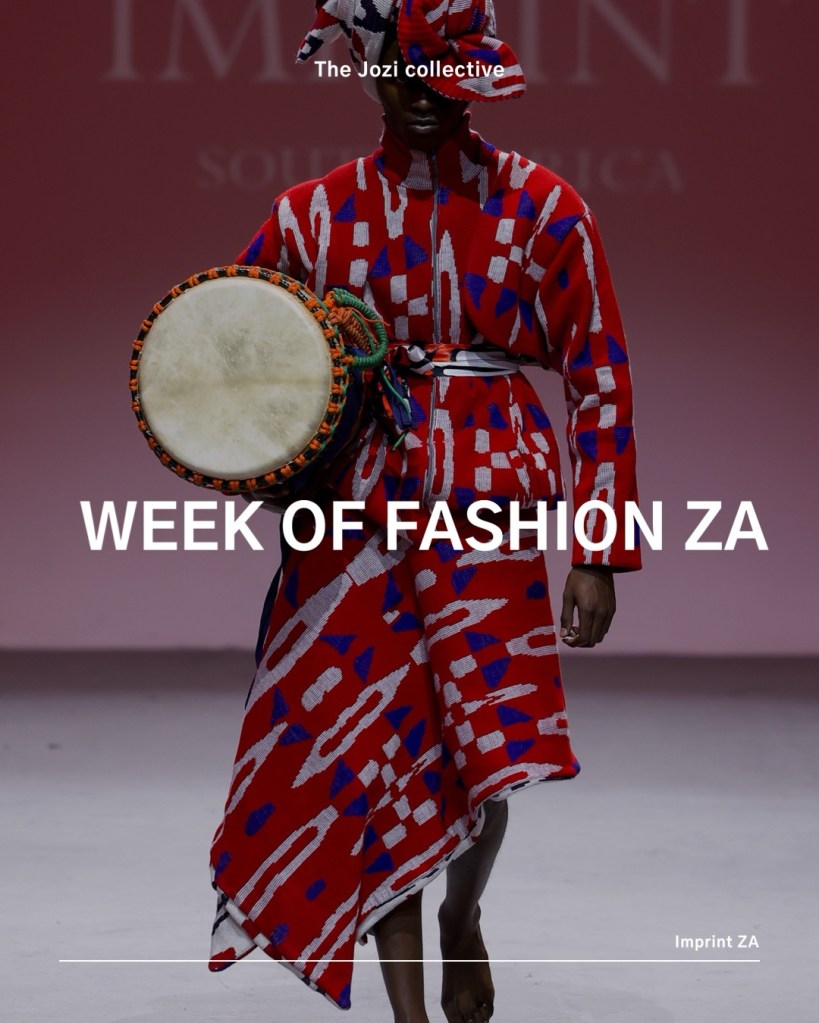
Notable showcases included Imprint ZA, whose return to the very platform where their journey began marked a powerful full-circle moment. Having first emerged through SA Menswear Week, their graceful return underscored both growth and continuity, serving as a reminder of the platform’s importance in nurturing enduring talent. Their latest presentation was once again delivered with precision, beauty, and creative maturity.
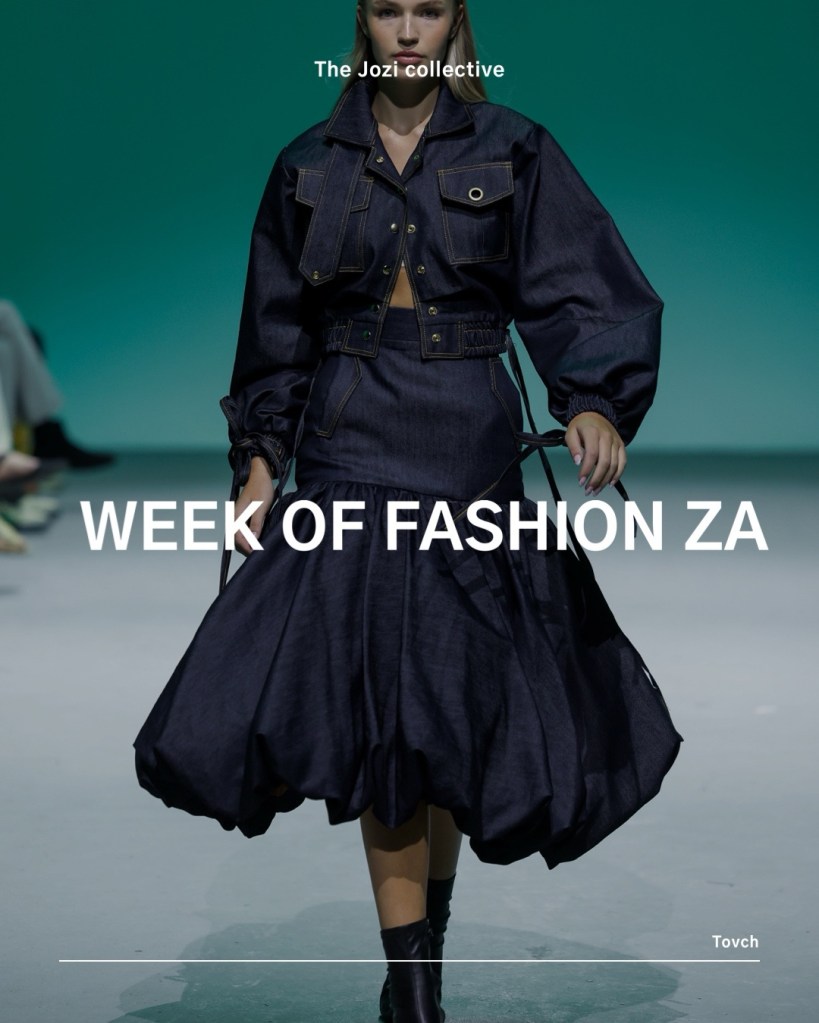
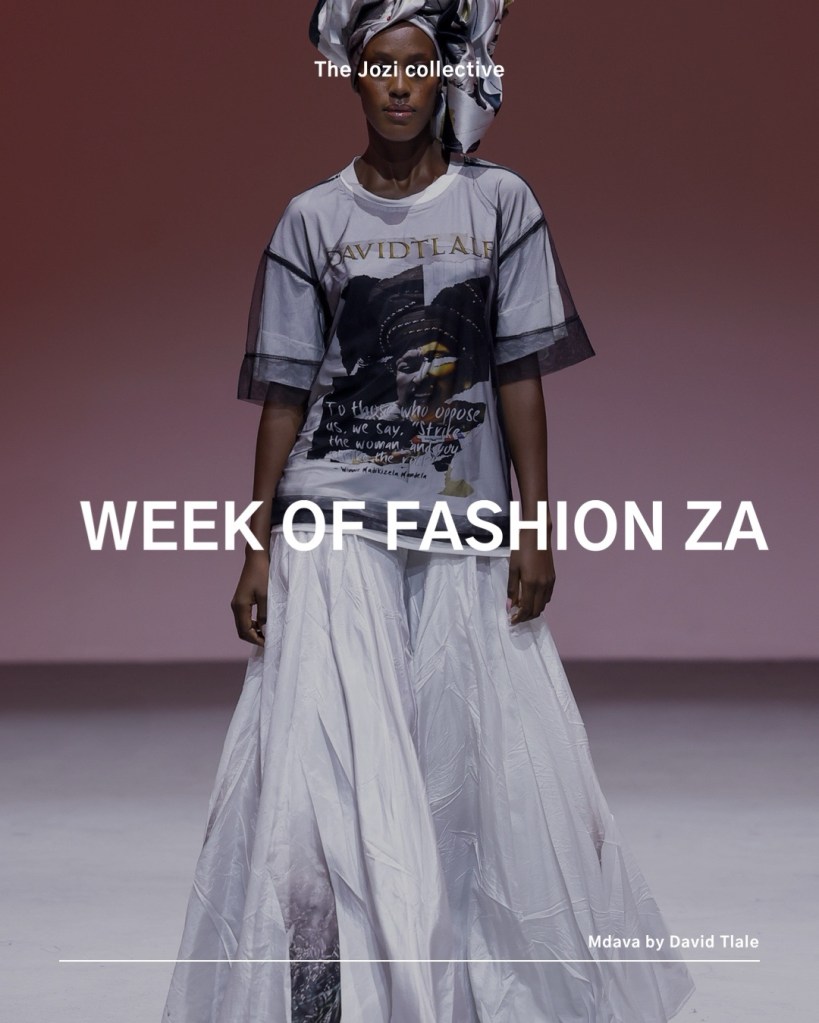
TOVCH further reinforced the platform’s progressive ethos, while MDAVA by David Tlale introduced an exciting dynamic through its younger, streetwear-focused extension of the David Tlale creative universe. MDAVA represents a more accessible, youthful interpretation of the brand bridging established luxury with contemporary street-style relevance and expanding Tlale’s influence into newer fashion conversations.
Jozi Collective’s own presence within Week of Fashion ZA further strengthened the platform’s role as a cultural force—curating emerging voices, championing innovation, and positioning fashion not merely as commerce, but as social commentary and creative activism.
Together, these platforms reveal a defining truth: South African fashion cannot be confined to a single runway, city, or aesthetic. It is a dynamic and interconnected ecosystem where legacy institutions, grassroots movements, and progressive showcases collectively shape the future of the industry.
From South African Fashion Week’s renewed commercial authority, to Soweto Fashion Week’s cultural accessibility, to Week of Fashion ZA’s boundary-pushing evolution, the past season has demonstrated that South African fashion is moving with deeper inclusivity, stronger cultural intelligence, and renewed creative force.
For Jozi Collective, documenting this movement remains essential not simply as participants, but as curators of the ever-evolving narrative of African fashion.
 The Jozi Collective
Leave a comment