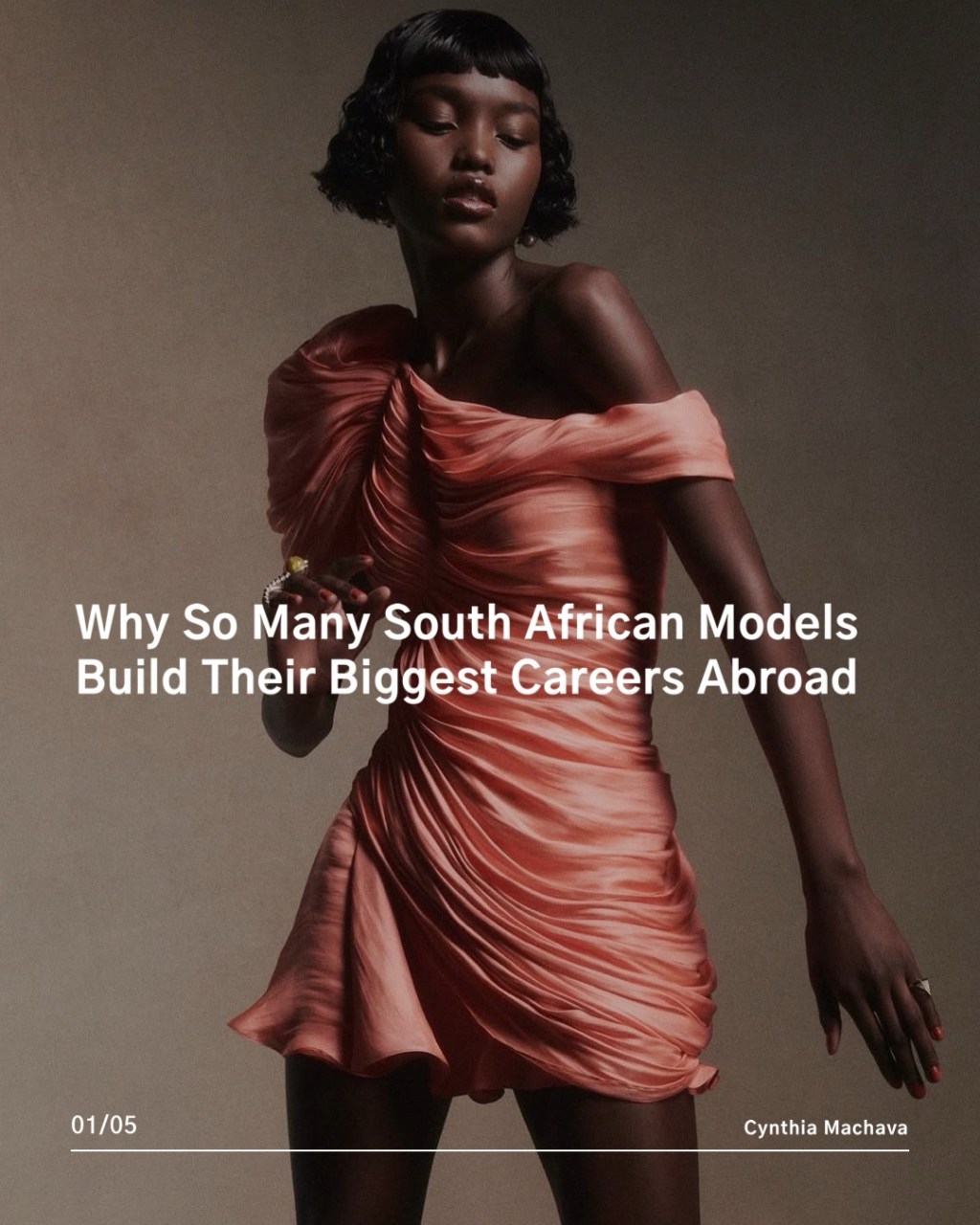
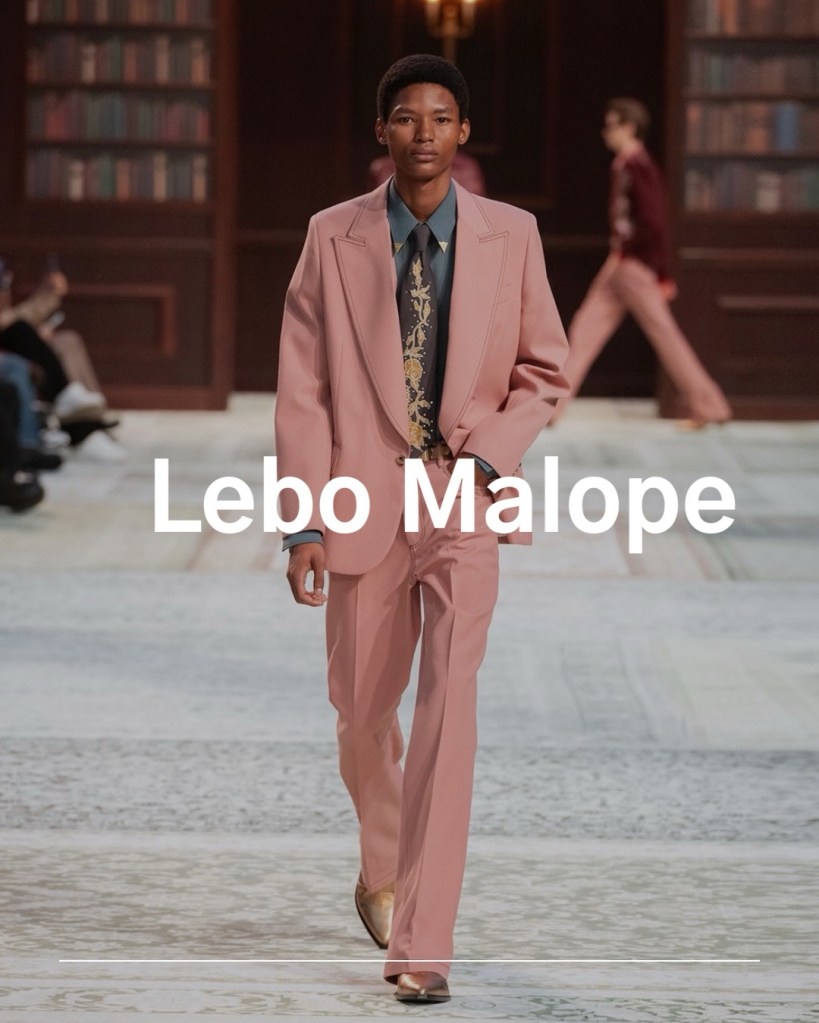
Across Paris, Milan, London and New York, models from South Africa are walking for established fashion houses, appearing in international editorials, and building careers with longevity. Their presence is no longer novelty; it is consistent, assured, and increasingly influential.
Yet a familiar pattern remains: for many, global recognition only comes after leaving South Africa.
The question is no longer whether South Africa produces world-class models. It is why the local industry still struggles to fully sustain them.

A Generation Defining the Moment
A growing cohort of South African models of colour are currently forging successful lives overseas — not as temporary exports, but as long-term contributors to the global fashion economy.
Among them (and many others):
• Campbell Ibuma
• Bandile Gumede
Their trajectories reflect a broader truth: South African models thrive when placed within structured, global systems — environments where visibility compounds, professionalism is assumed, and careers are built season after season.

Talent Is Abundant but structure Is Not
South Africa has never lacked modelling talent. What it lacks is an ecosystem that consistently translates that talent into sustainable careers.
International markets offer:
• Clear seasonal rhythms
• Integrated casting and editorial pipelines
• Repeated exposure to decision-makers
• Strong links between runway, media and commerce
Locally, opportunities remain fragmented — often tied to isolated events rather than long-term industry planning. As a result, momentum is difficult to maintain without leaving.

Fashion Weeks Without Market Weight
Globally respected fashion weeks function as industry engines, not cultural moments alone.
They are spaces where:
• Buyers place orders
• Editors commission stories
• Casting directors discover and re-discover talent
In South Africa, fashion weeks have made significant cultural contributions, yet they are still evolving in terms of international market influence. Without this commercial and editorial infrastructure, runway exposure does not always translate into career growth for models.
The Cost of Leaving — and the Cost of Staying
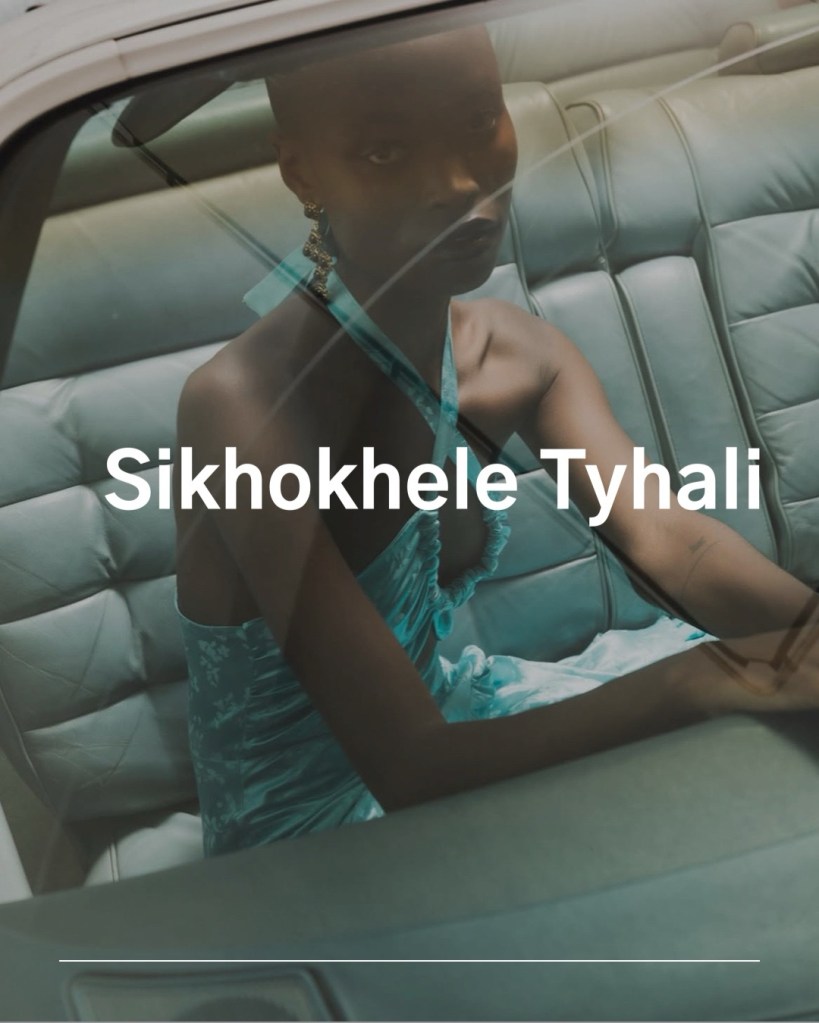
For many South African models, Europe becomes less of an aspiration and less more of a requirement.
Abroad, careers progress forward.
At home, they often reset.
Ironically, international success frequently leads to greater recognition locally — reinforcing a cycle in which validation must first come from elsewhere.
This dynamic does not reflect a lack of pride, but a lack of local systems that reward excellence consistently.
Reimagining a Home That Holds Its Talent
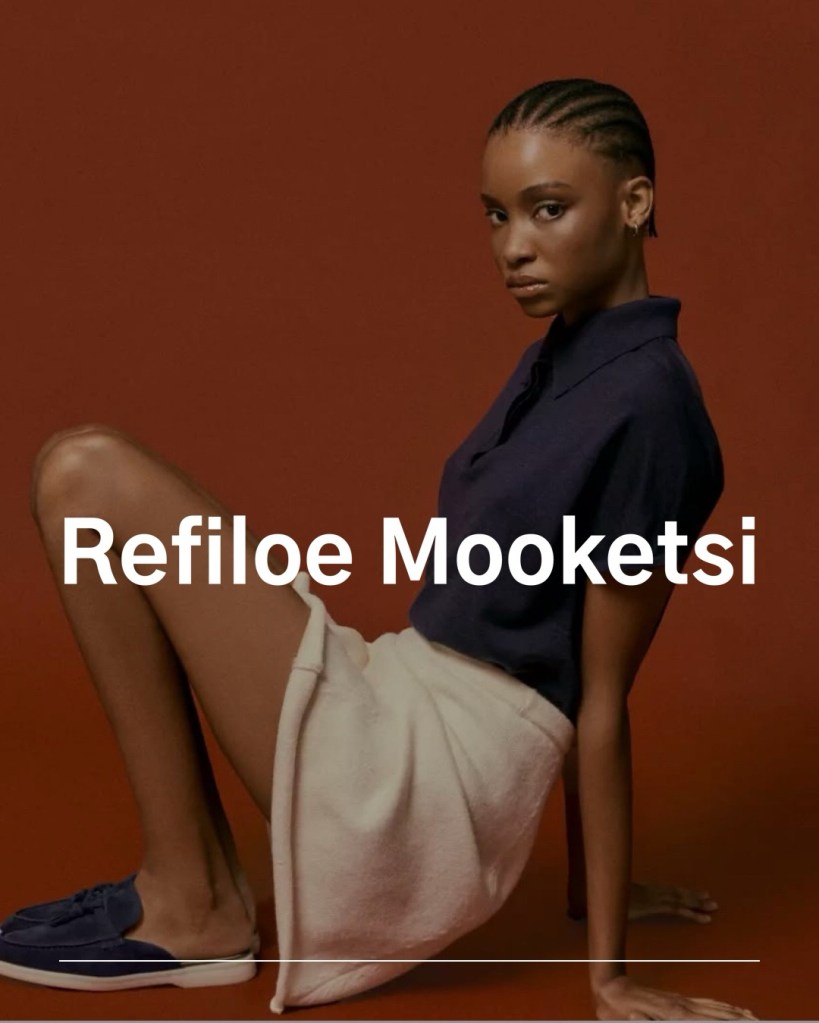
For South Africa to retain and sustain its models, several shifts are essential:
• Fashion weeks must align more closely with global calendars and industry standards
• Editorial platforms need greater international circulation and investment
• Models with global careers should be re-integrated locally as leaders, not anomalies
• The industry must value modelling as a profession, not a moment
The goal is not to prevent global movement — fashion is inherently international — but to ensure that returning home does not mean shrinking one’s career.
Toward a Fashion Capital, Not a Talent Pipeline

South Africa has long been a source of global creative influence. The next step is to become a destination — not only for ideas, but for opportunity.
When local structures match the ambition and calibre of its talent, South African models will no longer need to leave home to be seen.

 The Jozi Collective
Leave a comment