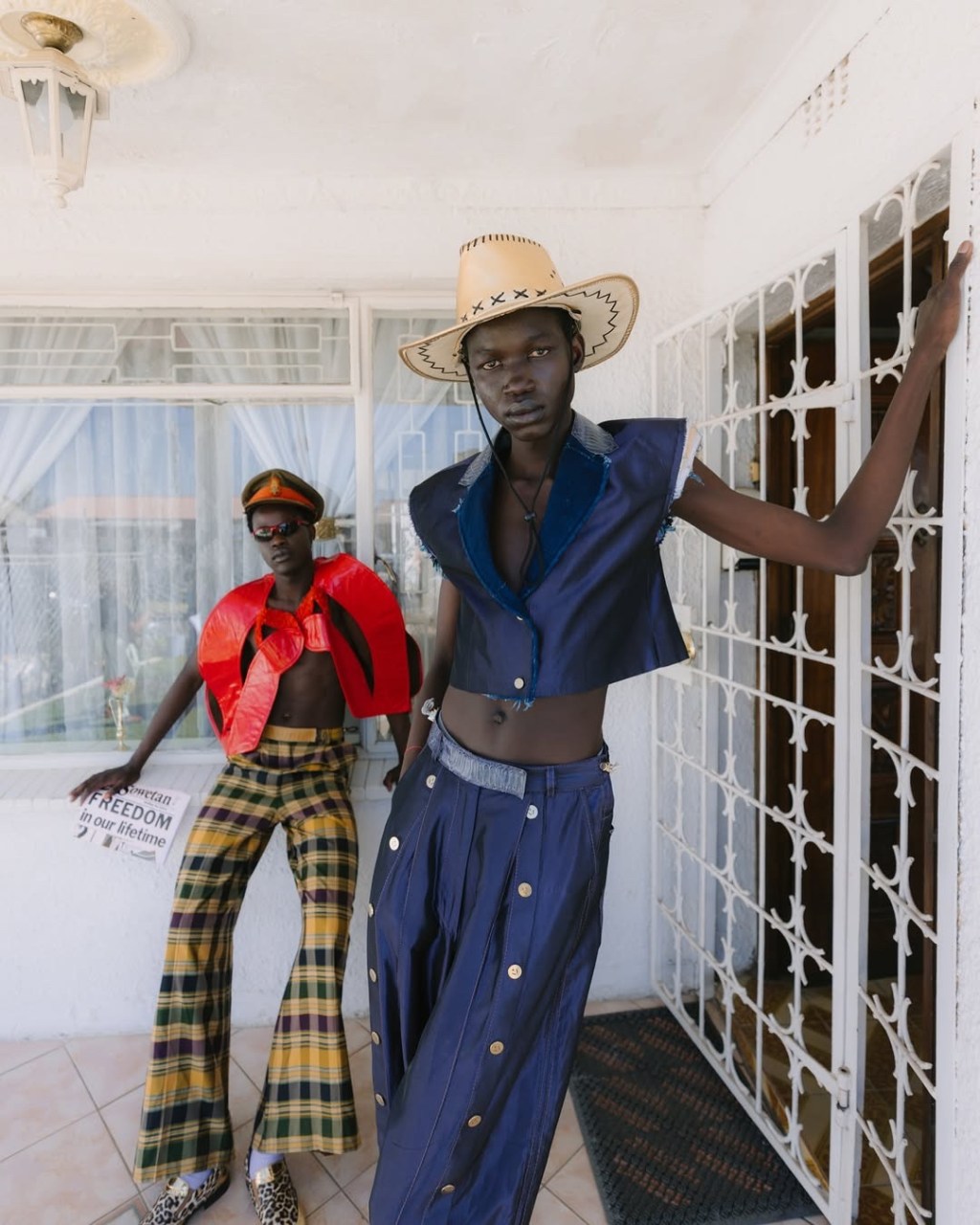
Is South African Fashion Next When Cultural Funding Becomes Conditional on Political Silence?
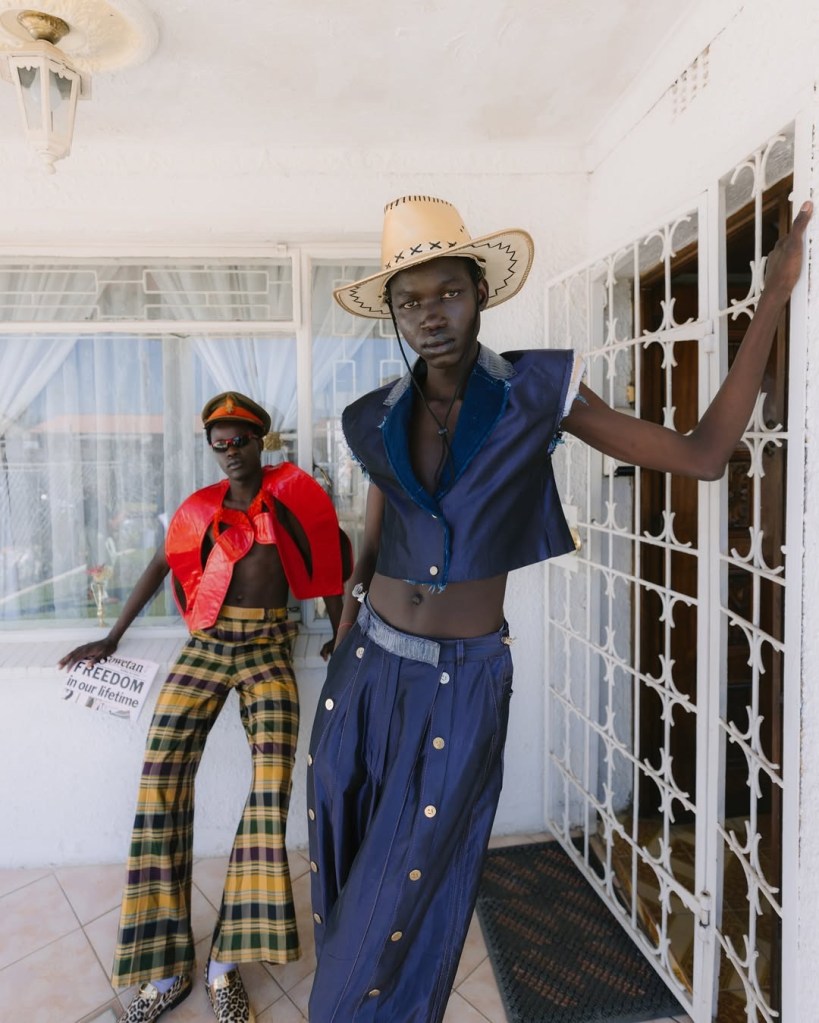
The recent developments surrounding South African artist Gabrielle Goliath — reportedly dropped by Goodman Gallery and denied state funding following her public stance on the Gaza genocide — should concern far more than the visual arts sector.
They should concern anyone working in South African culture.
Not because this moment is unprecedented, but because it reveals something deeply familiar and increasingly normalised: when political expression becomes inconvenient, access quietly disappears. There is no public censorship. No official statement banning speech. Just the silent withdrawal of funding, representation, and institutional protection.
This is how cultural control now operates — softly, administratively, and without spectacle.

The Cost of Speaking Without Permission
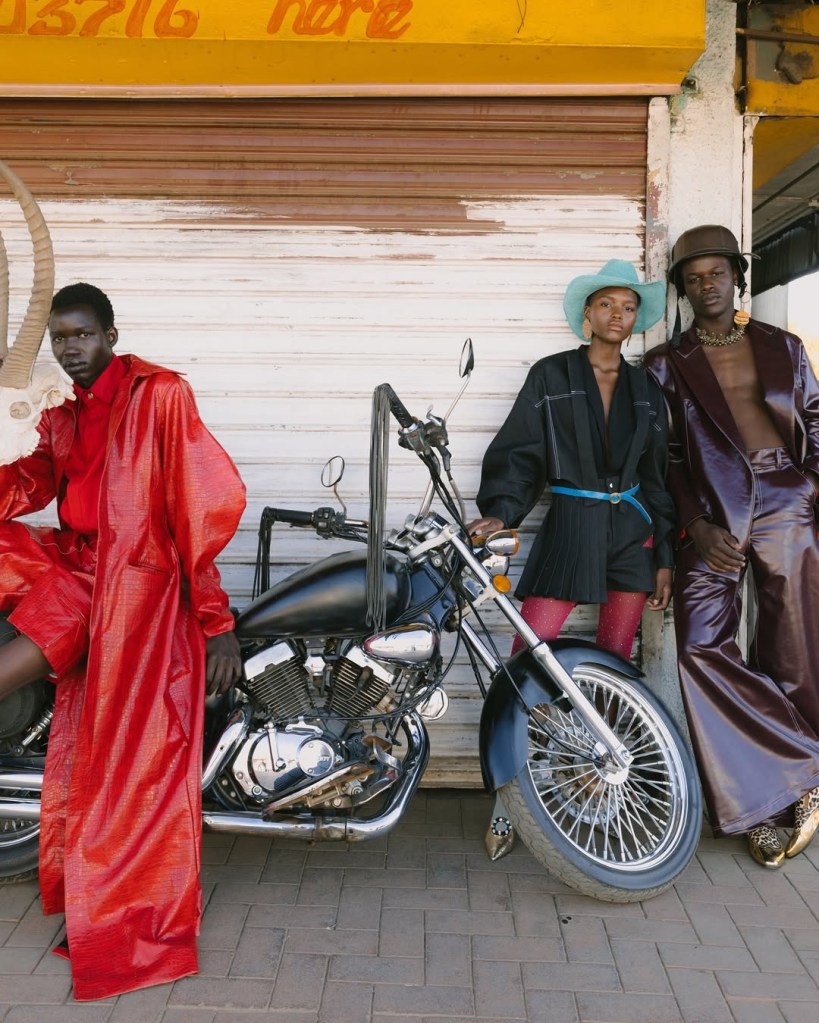
Gabrielle Goliath’s practice has long interrogated power, violence, memory, and moral responsibility. Her work is rigorous, confrontational, and rooted in a South African tradition of cultural resistance that understands art not as decoration, but as ethical engagement.
What her situation exposes is not a failure of free speech in law, but a failure of institutional courage.
South Africa’s Constitution protects freedom of expression, yet cultural workers increasingly operate within an unspoken framework: expression is welcome until it disrupts political comfort, diplomatic relationships, or funding agendas. At that point, support becomes conditional.
Art is not being silenced through legislation.
It is being silenced through access.
When funding, representation, and platforms depend on political alignment — or political quietness — freedom of expression becomes a privilege rather than a right. It is afforded selectively, to those whose views are deemed strategic, palatable, or safely removed from global discomfort.
Why This Is Not Just an Art World Issue

It would be a mistake to view Gabrielle Goliath’s experience as isolated to fine art.
If anything, it should act as a warning to South African fashion, a cultural sector that often believes it can remain adjacent to politics rather than embedded within it.
South African fashion has never been neutral.
From anti-apartheid dress codes and protest uniforms, to township style as resistance, to Black tailoring as a reclaiming of dignity and aspiration — fashion has always functioned as a visual language of power. It has shaped political identity, cultural memory, and the way Black bodies are seen, regulated, and celebrated in public space.
To deny this is not modesty — it is historical amnesia.
 The Jozi Collective
Leave a comment