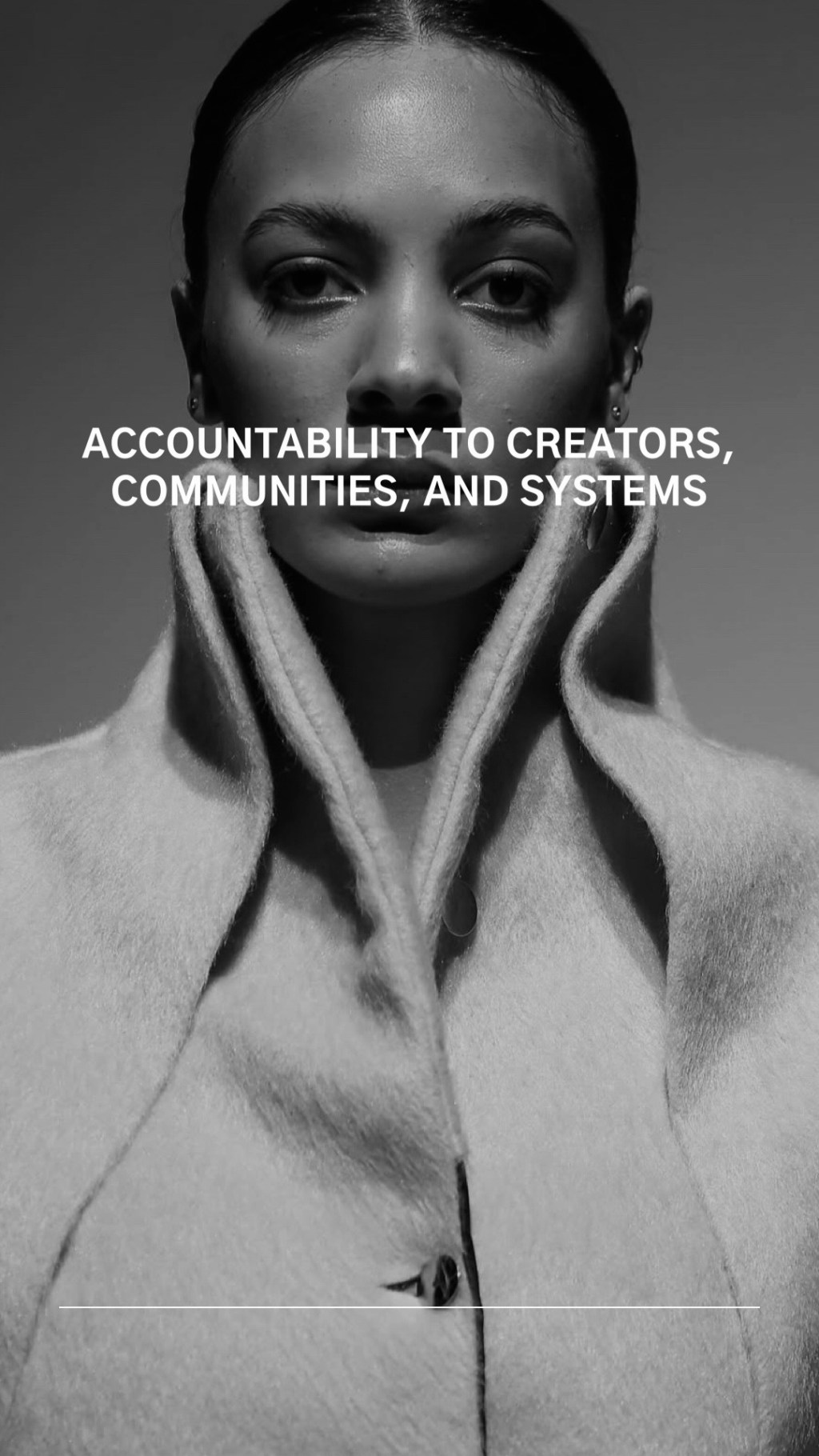
South African creativity is highly visible. Designers show internationally, artists circulate across global platforms, and local aesthetics are referenced with increasing familiarity abroad. Yet the question worth asking in 2026 is not whether South African creativity is being seen, but how it is being sustained.
Visibility has become a proxy for progress. Exposure is often presented as opportunity, even when it fails to translate into ownership, stability, or long-term cultural power. In many cases, recognition arrives without protection.
The global market has learned how to consume South African work—its textures, narratives, and visual codes—without committing to the conditions that allow that work to endure. What leaves the country frequently returns as trend, detached from context and redistributed without accountability.
This is not a failure of talent. It is a structural imbalance.
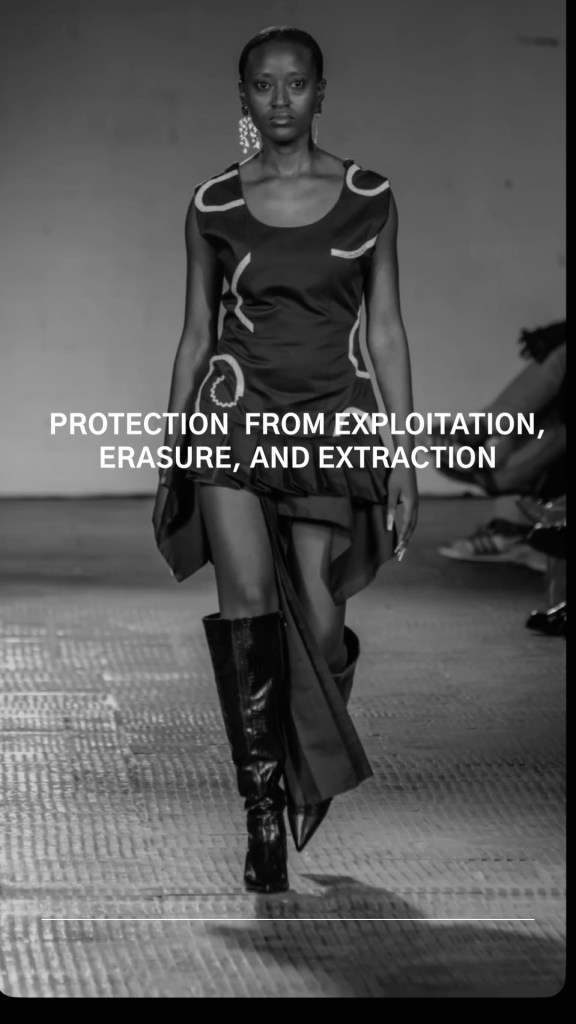
South African creativity continues to operate within systems that reward circulation over preservation and aesthetics over infrastructure. Cultural labour is exported faster than it is documented. Contracts lag behind applause. Archives lag behind virality. As a result, creative work becomes extractable rather than protected.
Ownership, in this context, extends beyond intellectual property. It includes narrative control: who frames the work, who historicises it, and who benefits from its reinterpretation once it enters global circulation. Without local institutions, independent archives, and curatorial frameworks, meaning is easily diluted.

The absence of cultural infrastructure has long-term consequences. Work disappears. Histories fragment. Younger creatives inherit influence without documentation. Instagram becomes an unstable archive. Cultural memory becomes vulnerable.
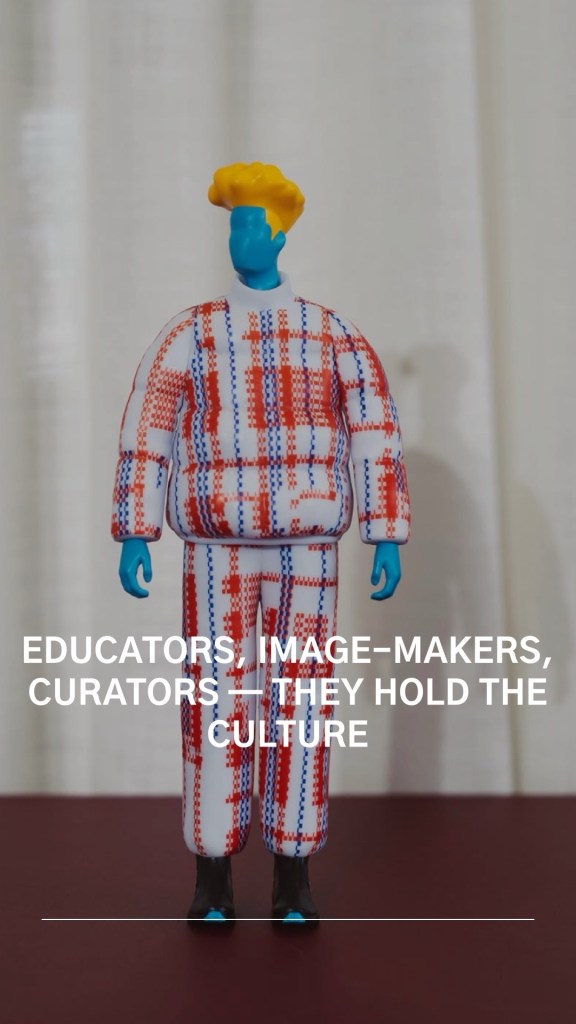
This is why collective structures matter. They create continuity where individual success cannot. They enable shared leverage, mutual protection, and long-term thinking in an industry shaped by precarity. Collectives also make space for roles beyond production—curators, writers, archivists—whose work anchors creative output in context and history.
Fashion and art do not exist only through what is made, but through how it is framed, preserved, and remembered. Without this layer, creative work risks becoming image without meaning, style without substance.
In 2026, South African creativity owes itself more than attention. It owes itself systems that protect authorship, preserve memory, and redistribute power more equitably.
Visibility, on its own, is not progress.
Power is built through ownership, infrastructure, and collective intention.
 The Jozi Collective
Leave a comment