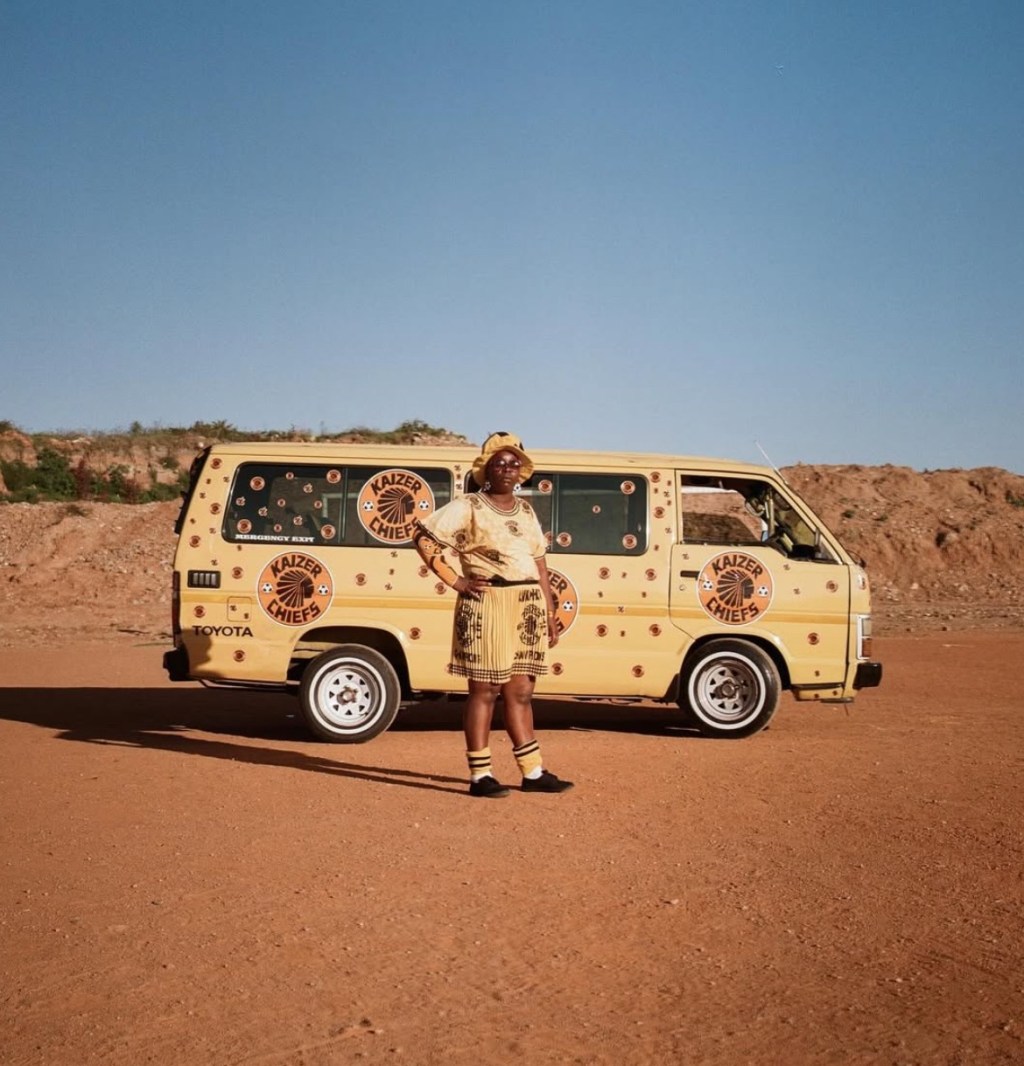
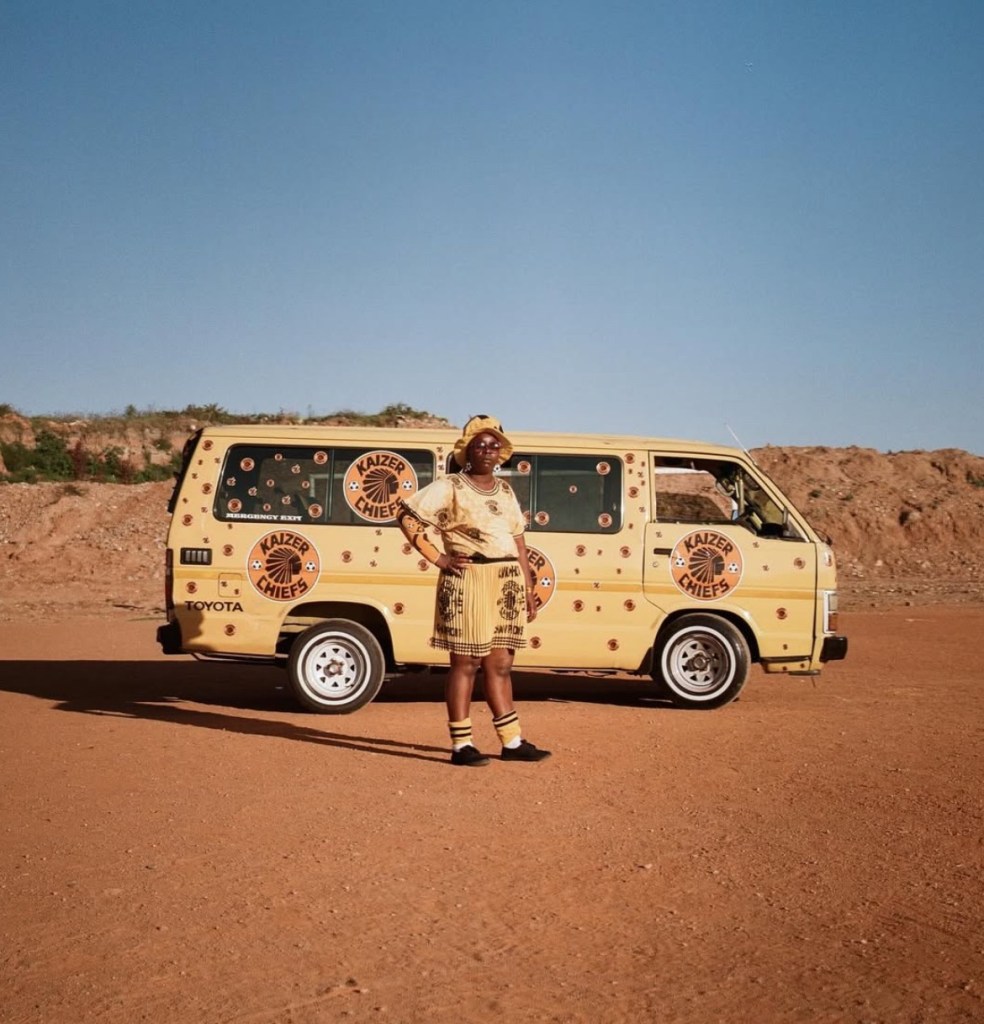
South African style has always carried more than visual meaning. It is a record of survival, resistance, and joy — shaped by everyday life in townships, stadiums, dance floors, and street corners. Black South African culture has long defined how the country looks and moves. What has changed is not the creativity, but the market value attached to it.
As South African pop culture increasingly influences global fashion, music, and lifestyle trends, a necessary question arises: who benefits when Black South African stories become profitable?
Kasi Flavour: South African Culture as a Living Archive
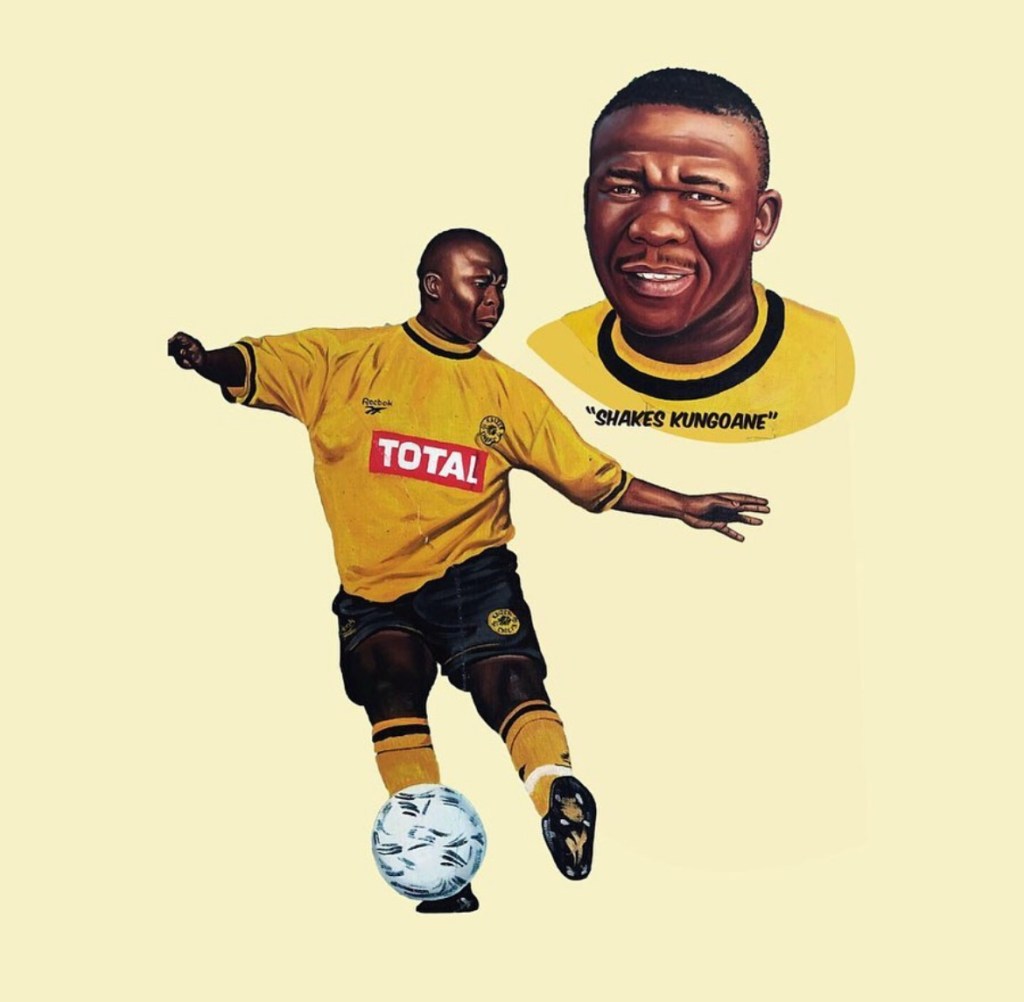
Kasi Flavour is deeply rooted in South Africa’s football history. The brand exists at the intersection of sport, township life, and memory — archiving and preserving a distinctly South African football culture inspired by kasi aesthetics and hood sensibilities that have shaped the local game for generations.
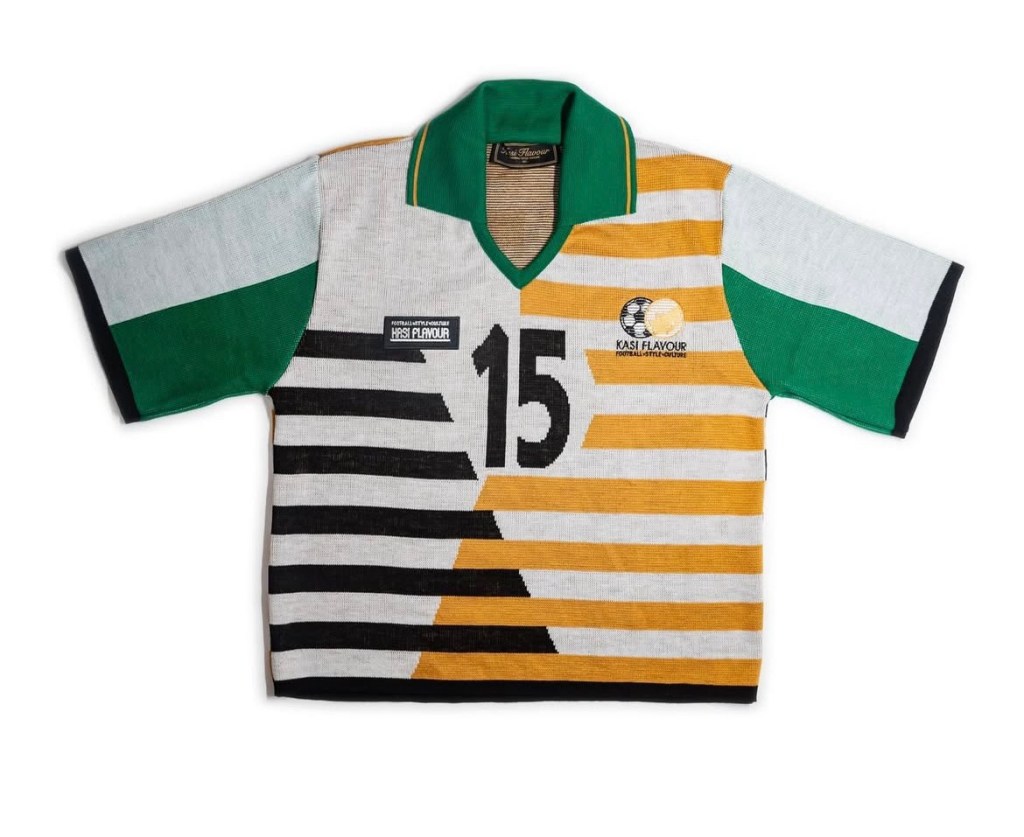
This culture was never designed for export or external validation. It emerged from local rituals: match-day gatherings, community teams, worn jerseys passed down through families, and the unmistakable style that formed around South African football spaces. Kasi Flavour does not borrow from these worlds — it emerges from them.
In this way, the brand functions as a living archive. It connects South Africa’s past to its present, ensuring that the visual language of township football culture is documented, respected, and carried forward on its own terms.
When Culture Becomes Marketable
The tension begins when this culture becomes commercially desirable.
As township-rooted aesthetics gain visibility and global interest, they enter an industry structured by access to capital, infrastructure, and networks. In this system, cultural proximity does not automatically translate into economic return. Those closest to the culture often carry the labour of preservation, while those with greater resources are better positioned to scale, monetise, and secure long-term opportunities.
This is not a question of talent or originality. It is a question of who has the means to move faster, distribute wider, and be recognised as commercially viable.
Cultural Labour Without Economic Power
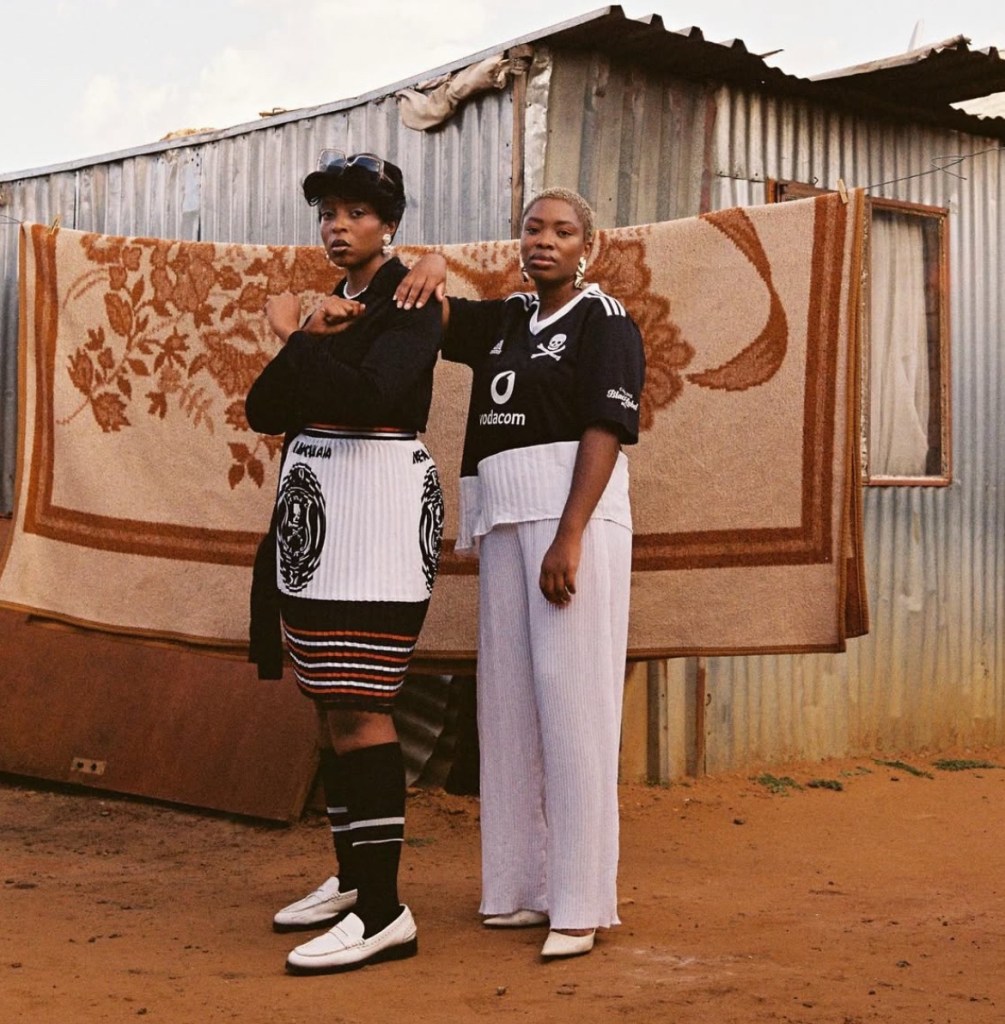
Preserving culture is work. Archiving memory is work. Remaining authentic to community is work. Yet in fashion, these forms of labour are rarely valued at the same level as rapid growth, mass production, or global reach.
Brands rooted in township culture often operate with limited funding, smaller teams, and restricted access to institutional support. At the same time, the visual language they help sustain becomes increasingly visible in mainstream and global spaces. The result is a familiar imbalance: the culture circulates widely, while ownership remains uneven.
Visibility Without Ownership
South African culture has never lacked visibility. What it continues to lack is equitable ownership.

When cultural expression is celebrated without reinvestment into the communities that produce it, visibility becomes extractive. The aesthetics are consumed, the references are repeated, but the economic structures remain unchanged.
Kasi Flavour’s work highlights this contradiction. It demonstrates how deeply rooted South African fashion can be — and how easily that depth can be overlooked in a market driven by scale rather than origin.
Who Benefits From South African Culture?
When South African aesthetics become marketable, profit tends to follow access, not authorship. Black South African stories travel across borders, platforms, and industries, while the people who live and build these cultures often remain on the margins of their financial success.
If South African fashion and pop culture are shaping the future, then those who sustain these cultures must also be allowed to benefit from them — financially, historically, and creatively.
Until cultural capital is matched with economic power for those building from within, township culture will continue to be globally influential yet locally undercompensated.
The question is not whether South African aesthetics deserve global platforms — they already do.
The question is whether the people who live the culture will be allowed to own its future.
 The Jozi Collective
Leave a comment