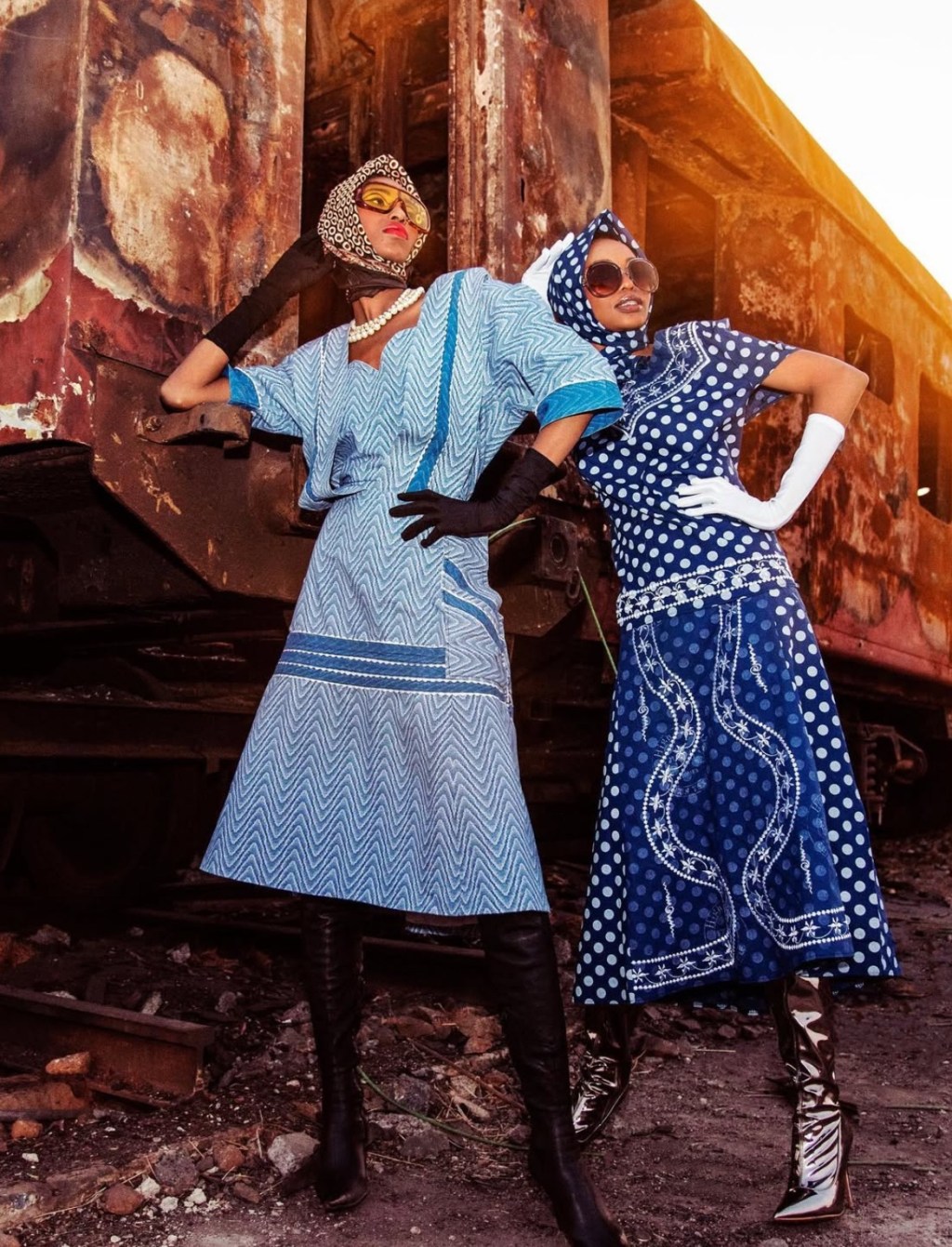
The creatives featured here represent just a fraction of the dynamic talent redefining South Africa’s visual identity. The list is not limited — it’s a snapshot, not the full landscape.

For decades, South Africa’s townships have been the engine of the country’s style identity, the birthplace of istayela (style in hood terms), reinvention, aspiration and originality. The township streets taught us how to dress with intention. They shaped our taste. They set the rhythm.
For a moment, as Euro-American aesthetics dominated global fashion, we drifted. Kasi life’s vibrant, textured, imaginative was softened, sanitised and pushed to the margins.
NOW?
A new generation of designers, photographers and stylists is reclaiming the township as a site of power, memory, dignity, creativity and luxury. They’re not borrowing from global culture but they’re reframing it. They’re not seeking external validation, they’re building their own canon.
Township culture is no longer an influence.
It is the reference.
It is the story, the mood board, the archive and the future.
TOWNSHIP-TO-RUNWAY NARRATIVES:
THE UNSTOPPABLE POWER OF UMSWENKO AND BORN-eKASI COOL
Our most compelling style stories weren’t born on Sandton pavements — they were born ekasi.
The hood has always been the lifeblood of South African fashion, where resourcefulness becomes swagger and everyday survival turns into a visual language of ambition. What was once treated as background noise is now the headline act
At the centre of this shift sits two defining cultural movements — and the first, umswenko, remains unmatched.
UMSWENKO: THE ART OF SHARP DRESSING
Umswenko is far more than “nice clothes.” It is dignity. It is confidence. It is the careful, proud art of showing up polished, intentional and unmistakably clean. This is style as self-respect — a visual declaration that says, “I honour myself.”
Rooted in township life, umswenko takes the grit and texture of the streets and transforms it into a refined personal couture. It’s the precise tailoring, the immaculate fit, the shine of well-kept shoes, the silhouette chosen with care. Umswenko isn’t about excess; it’s about presence. It is where township discipline meets fashion creativity, producing a look that feels both classic and rebellious, familiar yet always ahead.
SKHOTHANE / IZIKHOTHANE: THE PERFORMANCE OF STYLE AND SPECTACLE
Where umswenko is discipline, izikhothane is theatre.
While Izikhothane made for bold imagery and headline-grabbing theatrics, it remains a youthful offshoot and a baby of the far more established and culturally significant Umswenko tradition. Today’s South African brands draw more from the precision, clean silhouettes, colour discipline and aspirational swagger of Umswenko than from the flamboyant extremities of Izikhothane
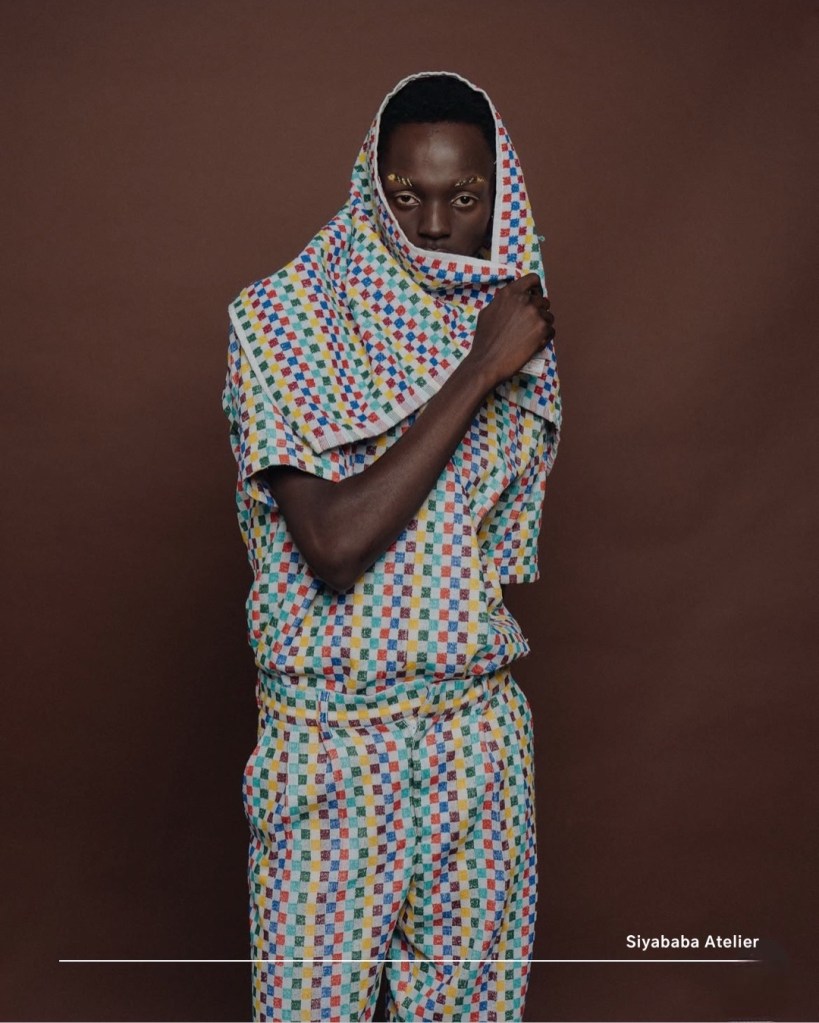
The look was unmistakable: glossy textures, bold colours, head-to-toe coordination, clothing worn not just as garments but as statements of status and personality. Izikhothane brought a kind of maximalism that felt both playful and defiant — a bold refusal to be invisible which some fashion designers like Siyababa Atelier still highlight today
Beneath the theatrics lay something more meaningful: a generation carving out its own form of luxury, on its own terms. These were young people transforming brand culture, appropriating symbols of wealth, and remixing them into something distinctly local.
It was loud, unapologetic and deeply creative.
This movement didn’t just influence fashion; it shifted the mood.
It set the stage for today’s obsession with vibrant colour, logo play, metallic finishes and fashion-as-performance. Izikhothane proved that style in South Africa isn’t passive — it’s expressive, emotional and powerfully original.
But it’s important to understand the lineage.
Izikhothane didn’t emerge in isolation — it is a bold, hyper-stylised offshoot of a much older tradition: Umswenko.
Where Izikhothane amplified extravagance, Umswenko established the foundation — the discipline, sharpness, respectability, aspiration and quiet swagger that have shaped township elegance for decades.
Together, Umswenko and Izikhothane form a dual heritage: one polished, one theatrical; one intentional, one impulsive. Both born from the township. Both grounded in pride. Both shaping the country’s visual identity in ways the world is only beginning to understand.
With designers like Chu Suwannapha having borrowed from that culture — not by replicating it literally, but by absorbing its confidence, its colour bravado and its township-born sense of spectacle — the influence of Umswenko becomes undeniable. It’s the quiet backbone behind many of the silhouettes, palettes and styling cues we see on today’s South African runways.
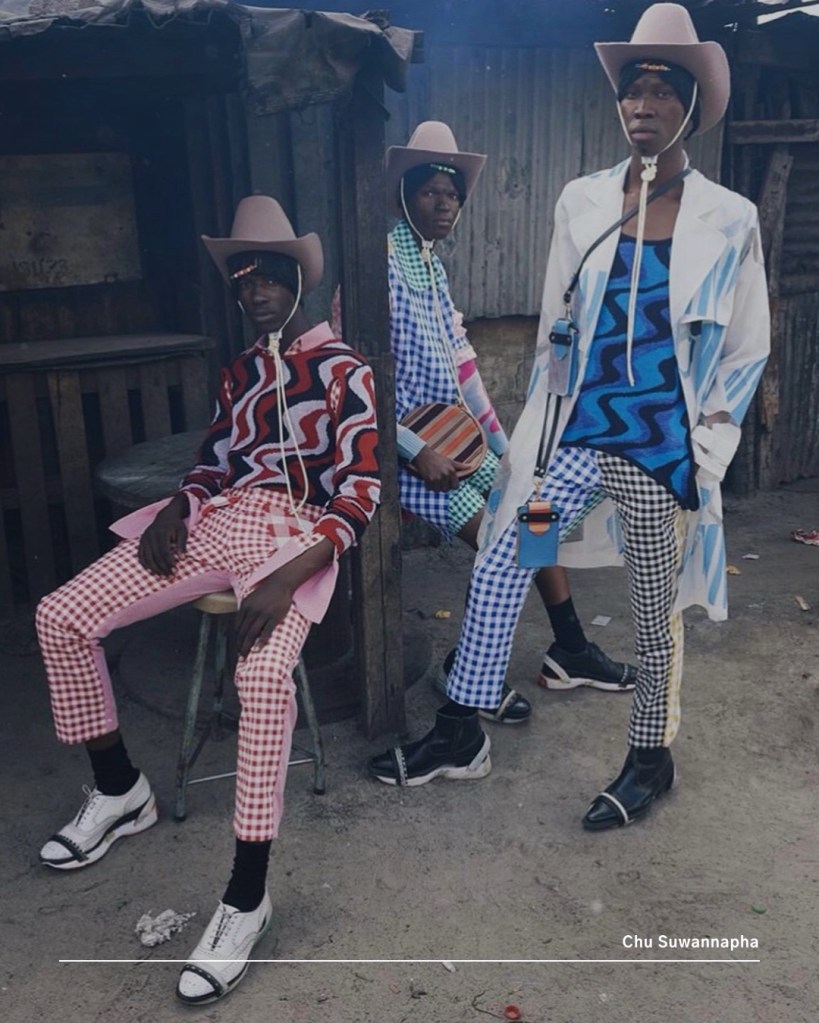
The township isn’t inspiration. It’s the origin story of South African cool.
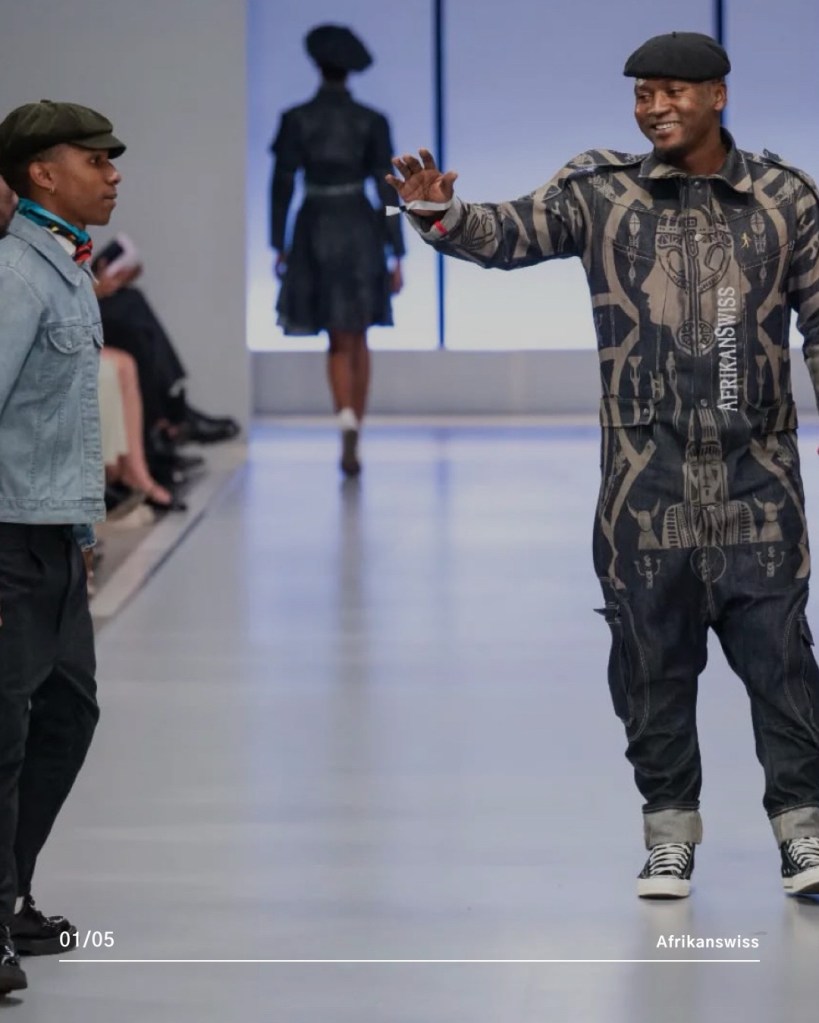
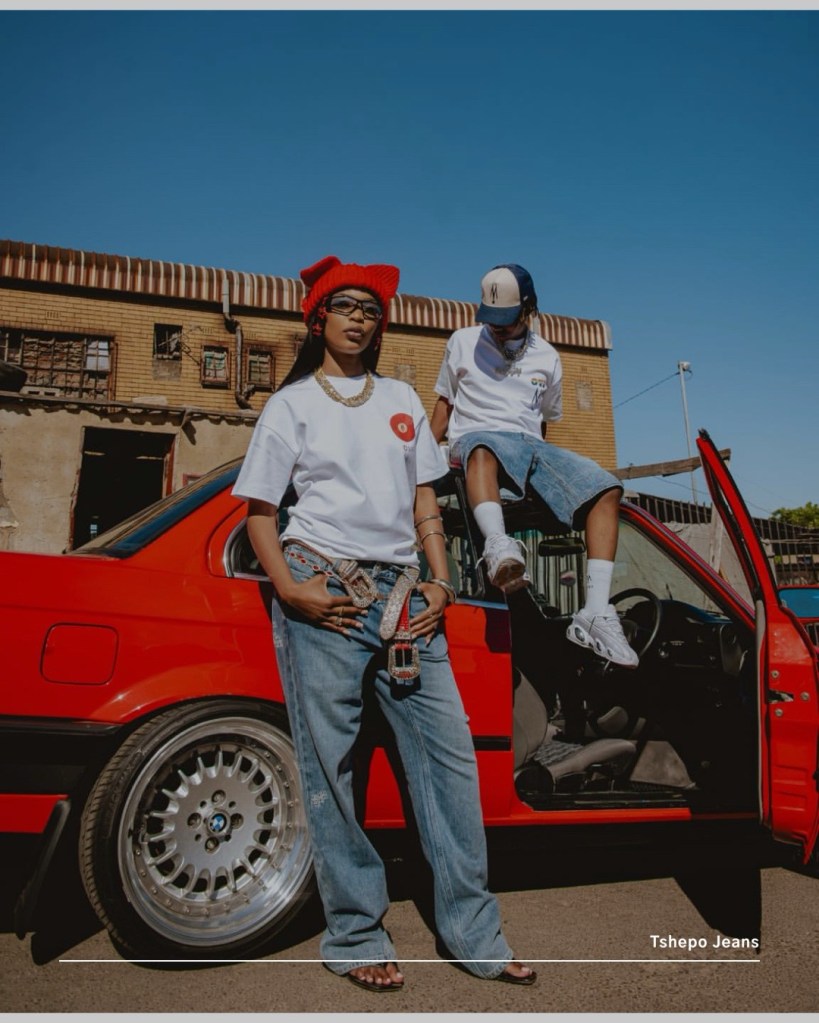
Brands like Afrikanswiss, Tshepo Jeans, and others represent this shift. They didn’t sanitise the township to make it palatable they built aesthetics grounded in memory, identity and lived experience
Photographers Redefining How the Hood Is Seen
Township culture has always been stylish, but today’s photographers have become its archive. Their work is not documentation it is cultural preservation, reshaping how the world sees South African identity.
ANDILE BUKA
An archivist of South African memory : familiar, honest and deeply rooted.
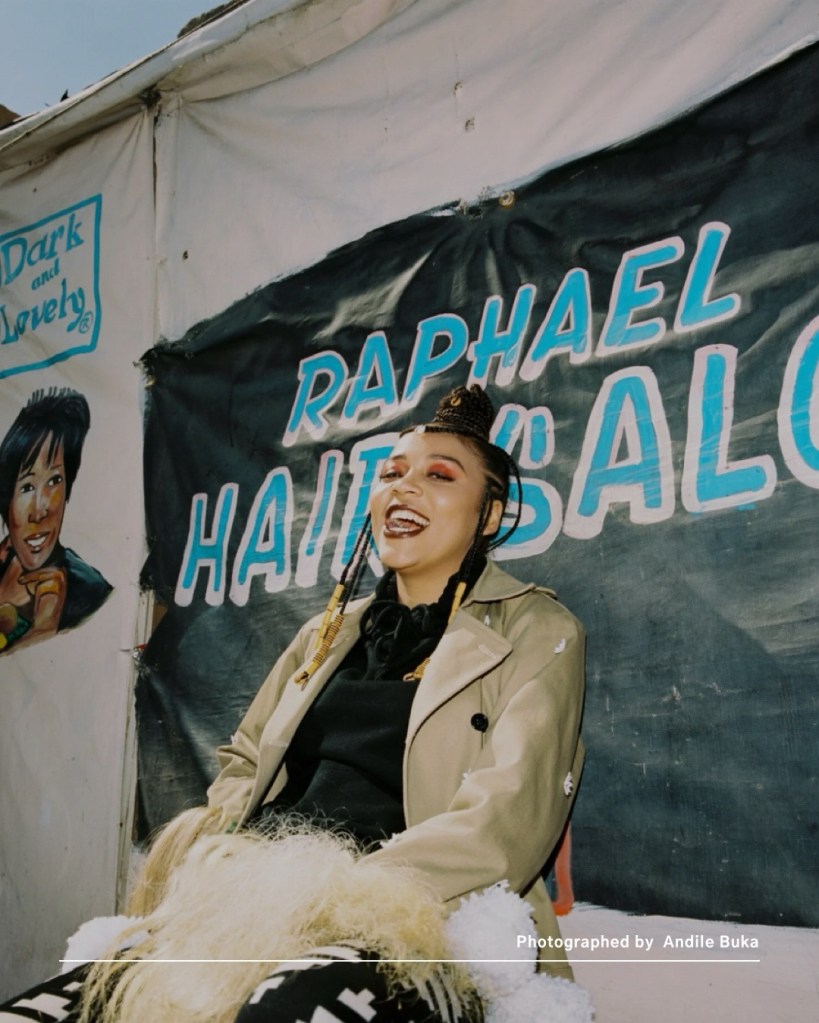
Andile Buka’s work feels like paging through a family album. His photographs carry the warmth, familiarity and trust of images our parents took: everyday life, unposed moments, neighbourhood pride. He captures South African culture in its purest form; kids playing on the street, families gathering, the textures of township homes. His gaze is calm and observational, never intrusive.
Buka isn’t gender-focused, he documents people, community, and the way Black South Africans move through their world. His style holds a nostalgic quality that makes every frame feel like home.
KGOMOTSO NETO
A documentarian of the quiet poetry in township life.
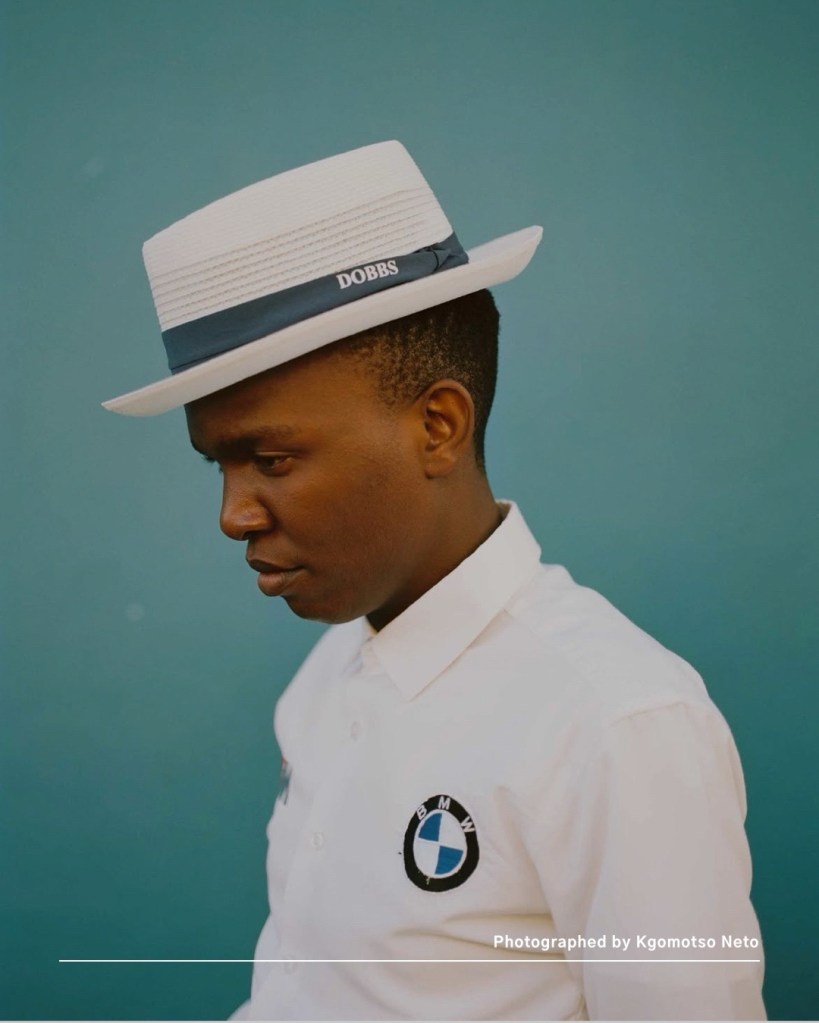
Kgomotso Neto’s images hold stillness, a softness that reveals the beauty of everyday routines: washing lines, corner conversations, the glow of late-afternoon sun on township walls.
His photographs are intentional, respectful, and rooted in the small details, the texture of a jersey, the position of a chair, the way a child leans into their sibling. He elevates the mundane into something archival, reminding us that township life is full of grace, rhythm and pride.
SISTER BOZZA
A bold visual storyteller preserving kasi childhood, youth fashion and the joy of growing up ekasi.
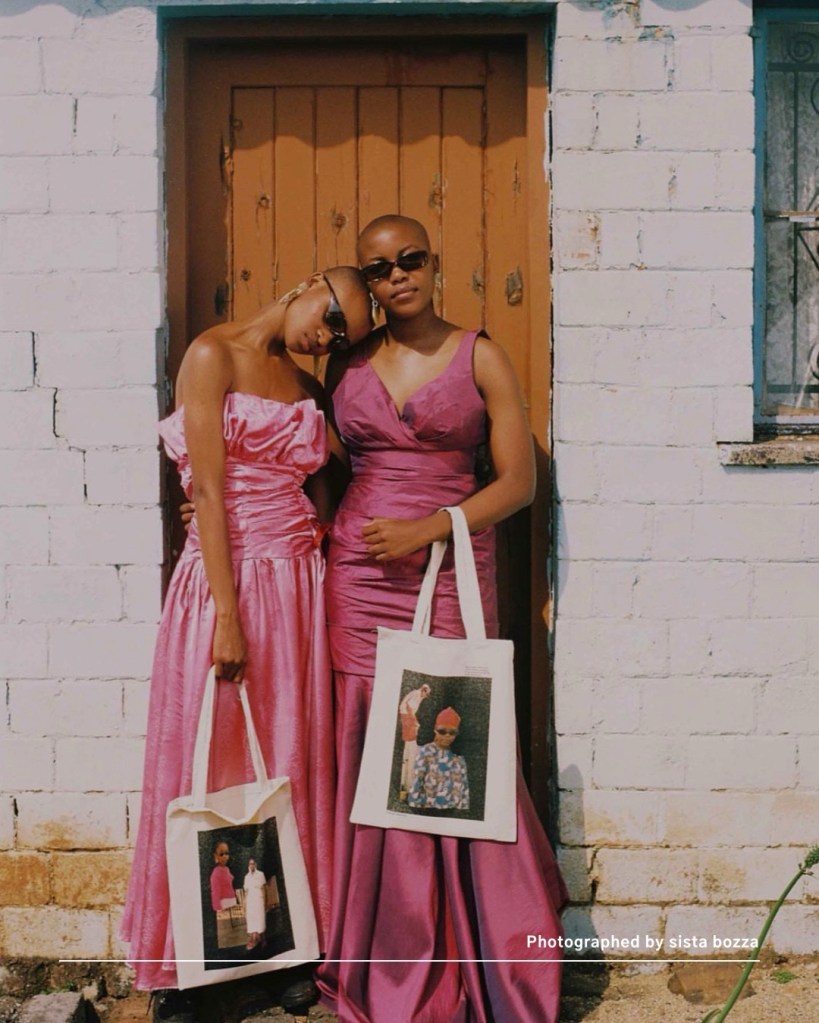
Sister Bozza has become one of the most important documenters of township kids and youth culture. Her work is vibrant, playful and deeply nostalgic, capturing school uniforms, shaved heads, colourful walls, the confidence of kasi teens and the innocence of childhood.
Her photographs preserve the aesthetic codes of growing up in the hood: the hairstyles, the hand-me-down outfits, the sneakers, the backdrop of tar roads and corner spaza shops. Her work is a living archive of kasi fashion, childhood memories and South Africa’s visual playfulness.
THEMBA MBUYISA
A defining eye of modern South African photography : capturing the pulse of kasi life today.
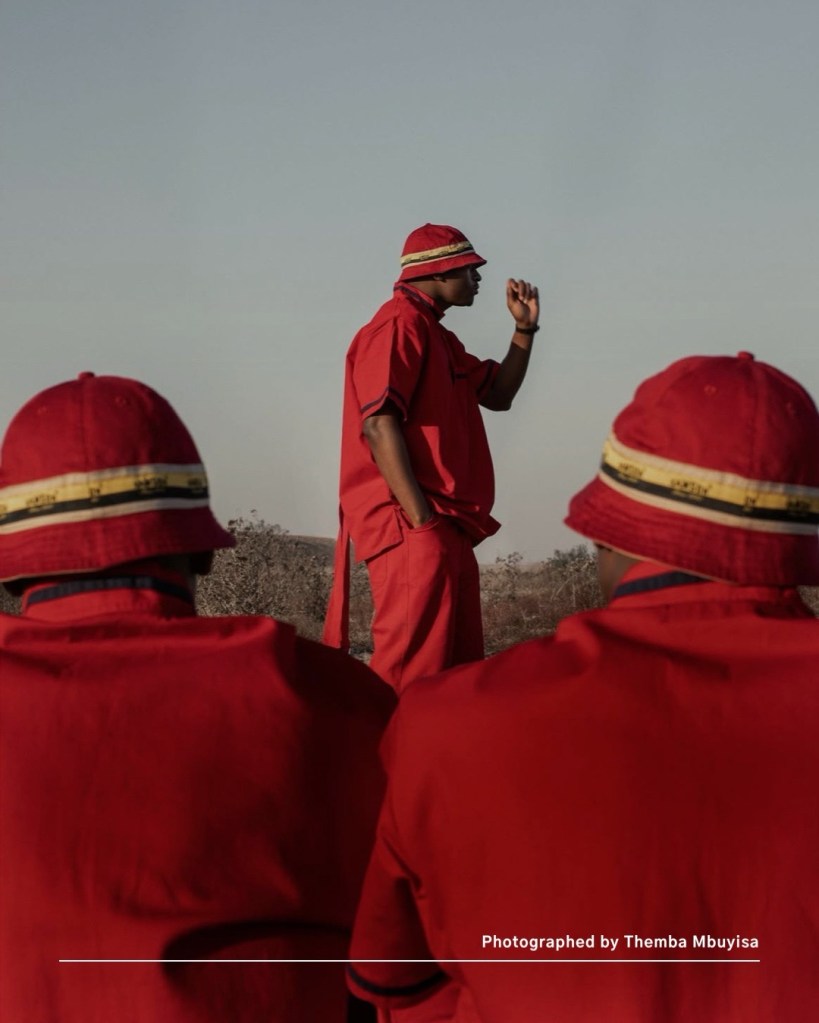
Themba Mbuyisa’s work feels like movement. You can almost hear the music, feel the dust, sense the energy. He photographs the hood with intimacy: the boys on bikes, the dancers, the street culture, the spontaneous fashion moments, the vibrancy of township youth.
His images have shaped the current South African moodboard, their colour, attitude and immediacy. Mbuyisa has given visual language to what young South Africa looks like right now: expressive, stylish, restless, alive.
ITWAR MALI
Contemporary kasi editorial ,bold colour, clean direction, elevated street storytelling.

Itwar Mali merges township reality with striking art direction. His portraits are often styled, cinematic and refined without losing authenticity. He photographs familiar kasi spaces but frames them with high-fashion precision: colour mastery, sharp lighting, intentional props.
His work expands the way we imagine township aesthetics — proving that these spaces hold both raw character and editorial sophistication.
IMRAAN CHRISTIAN
A storyteller of childhood memory, community identity and People of Colour emotional landscape.
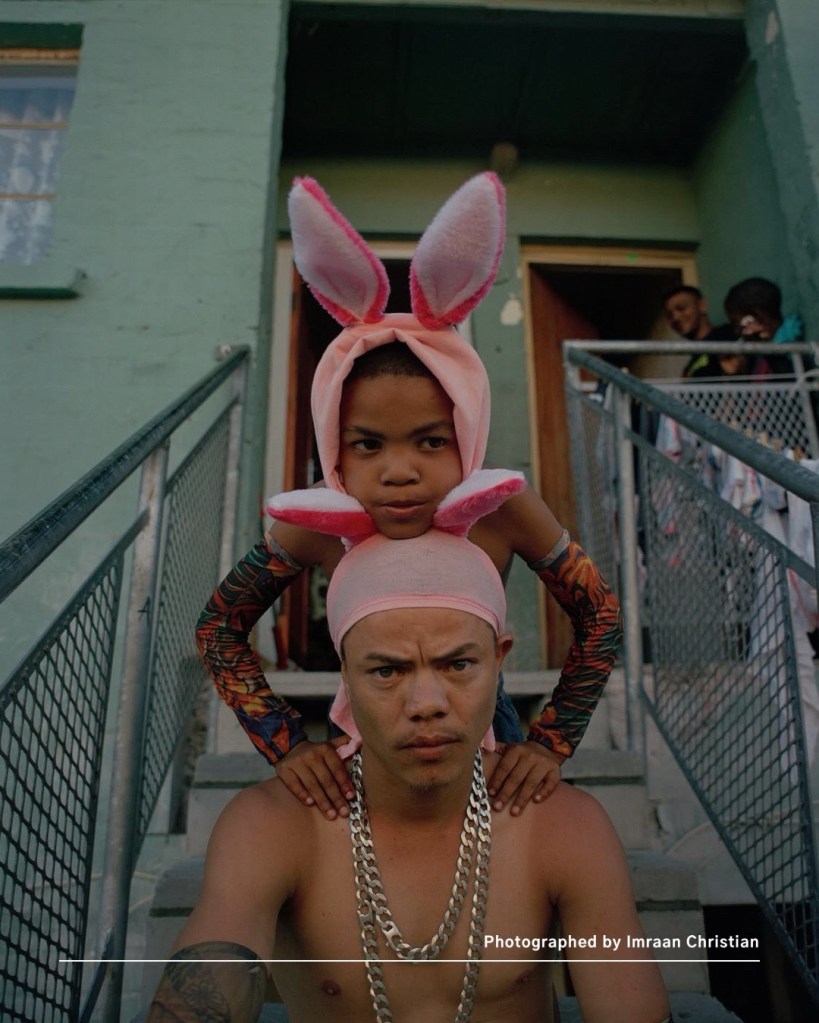
Imraan Christian’s work moves between the spiritual, the political and the deeply personal. He draws heavily from the texture of growing up in Coloured communities — the friendships, the rituals, the streets, the inherited stories, the emotional worlds young people carry with them. His images often feel like dreams layered with memory, capturing the duality of joy and struggle that defines many South African childhoods. Imraan’s visual language has helped shape how we see People of Colour lives with dignity, depth and emotional honesty.
MIKHAILIA PETERSEN
A tender observer of childhood, femininity and the everyday realities of people of colour.
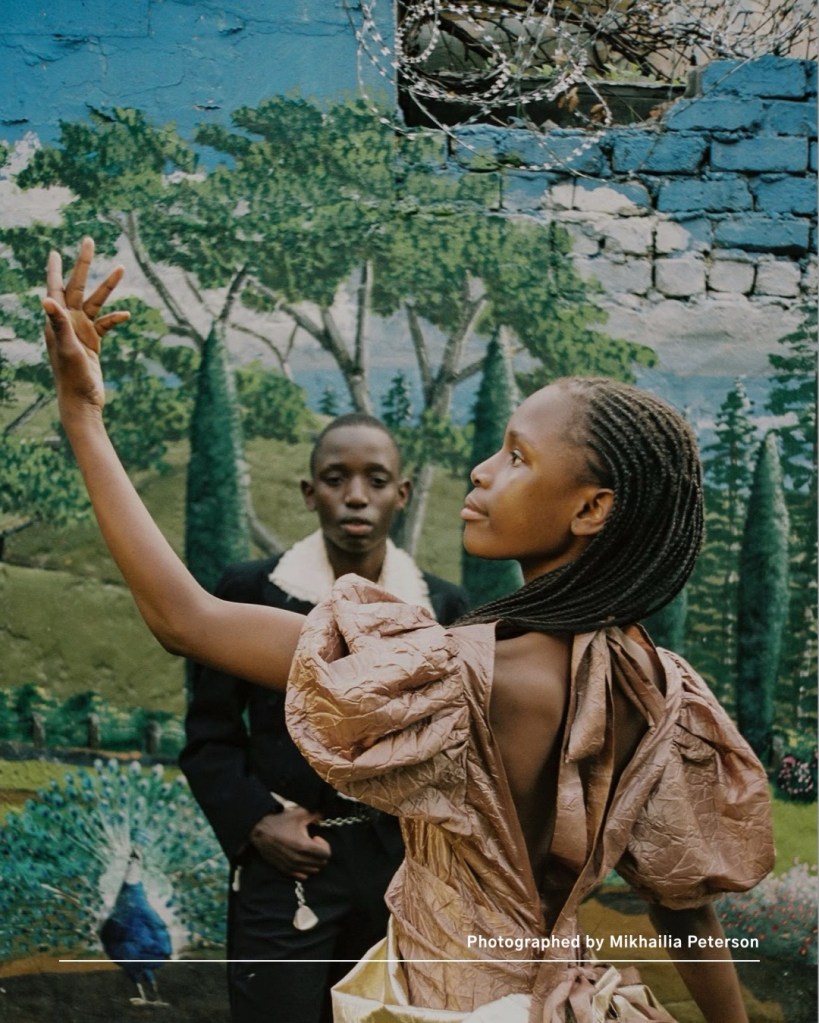
Mikhaila Petersen’s work is rooted in intimacy. She photographs moments that feel small but meaningful — girls adjusting their hair, kids playing quietly, women carrying the gentle weight of daily life. Her images carry the warmth of familiarity, blending fashion, portraiture and documentary in a way that feels instinctively South African. Mikhaila gives voice to the overlooked details of People of Colour childhood and home culture, capturing emotional subtleties with softness and clarity.
THE STYLE INNOVATORS
Stylists Elevating Township Codes Into High Fashion
Stylists are translating kasi style into world-class editorial language.
DIDINTLE N
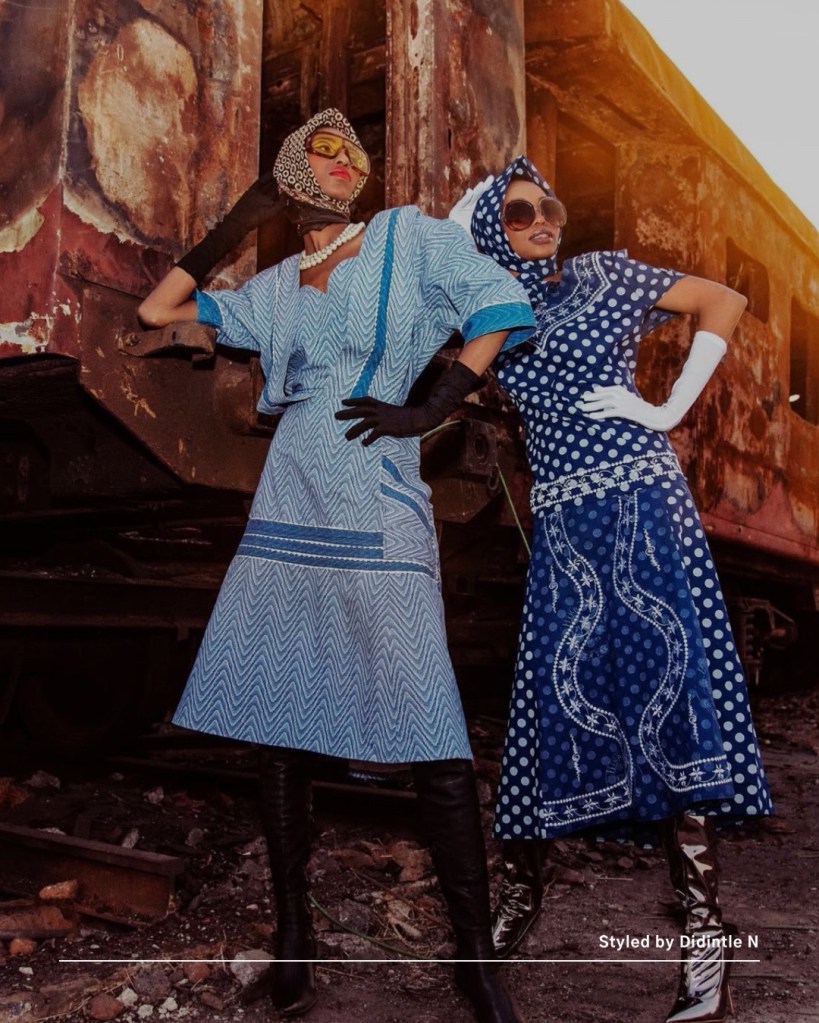
A leader of polished kasi luxury — sharp tailoring, clean silhouettes, refined textures. She positions township presentation as high culture.
LINDIWE MAYISELA (CHUCK STYLES)
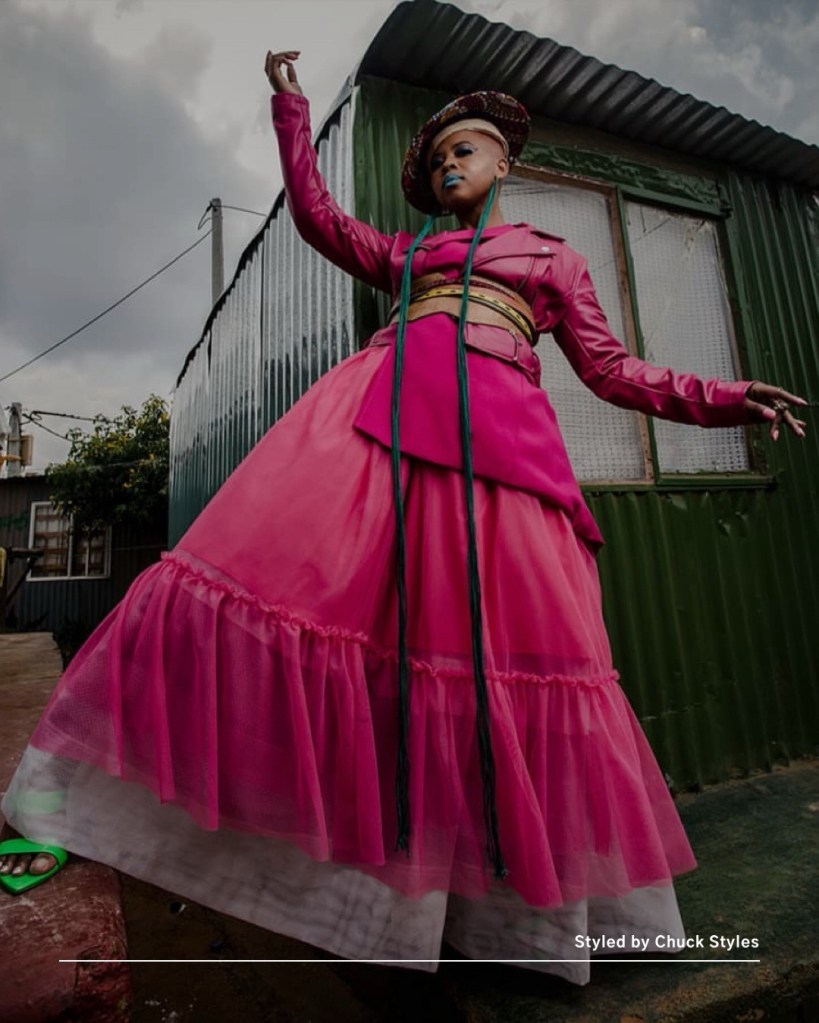
Oversized silhouettes, bold colours, luxury-meets-local codes. Chuck Styles blends hood masculinity with high-fashion confidence.
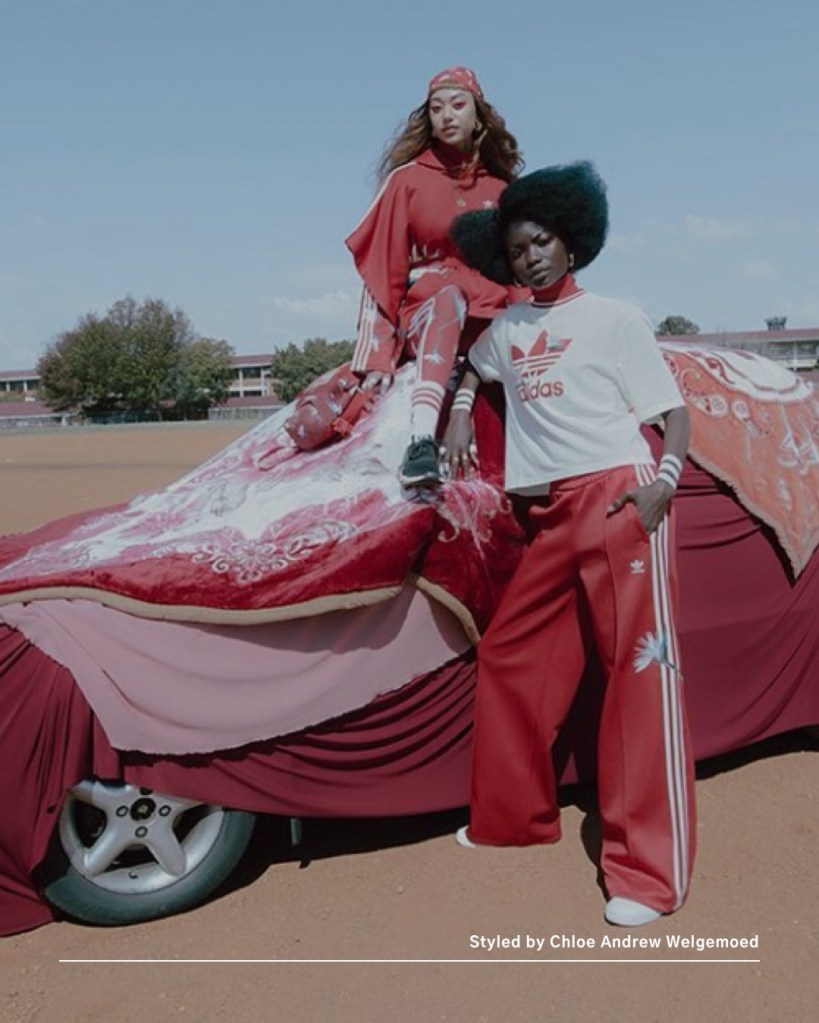
CHLOE ANDREA WELGEMOED
A rising voice in the visual landscape. Welgemoed’s imagery carries a polished rawness, a fusion of fashion editorial language and grounded South African storytelling. Her work bridges township influence with contemporary youth identity, offering crisp, stylised frames that feel deeply local. She captures the nuance between everyday cool and elevated narrative, making her one of the defining young eyes shaping South Africa’s next visual chapter.
THE DESIGNERS
Creating From Memory, Place and Lineage
These designers aren’t just “township-inspired.” They design from lived reality and memory
BOYS OF SOWETO
A uniform of township pride and a modern symbol of Sowetan identity.
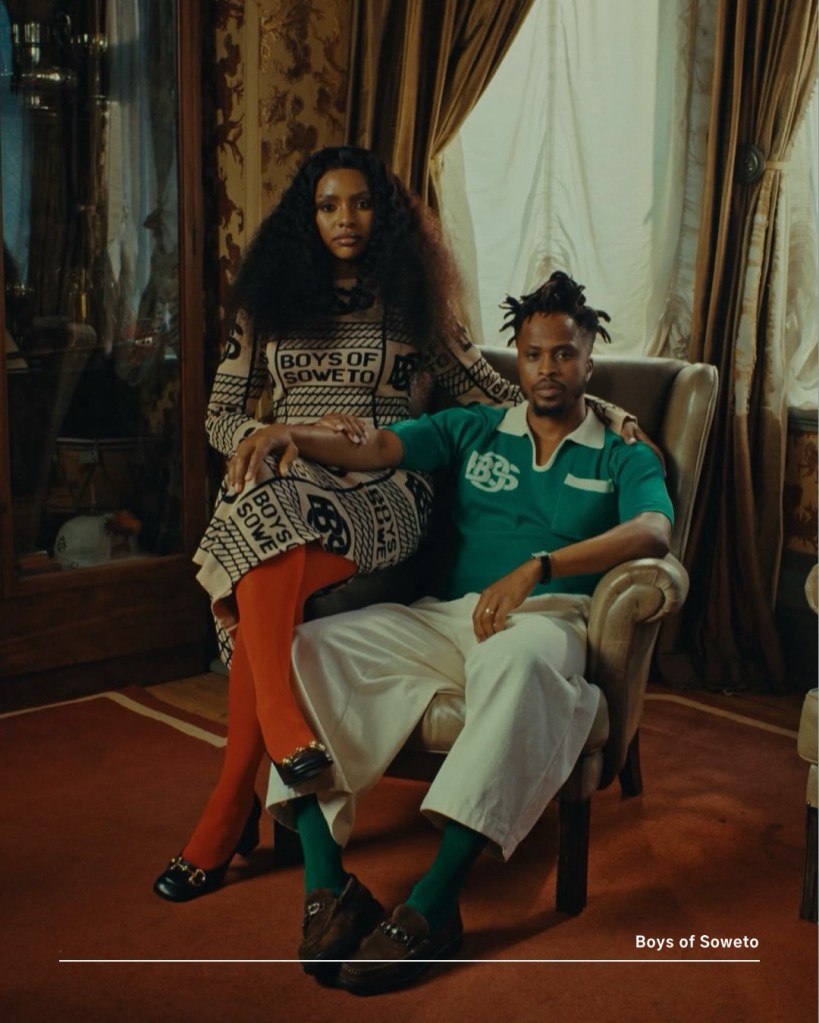
Boys of Soweto has become one of the clearest expressions of what township pride looks like today. Their clothing — especially the bold, instantly recognisable jerseys stamped with “BOYS OF SOWETO” — feels like a declaration, a way of saying “I am from here, and I’m proud of it.” The brand merges local swagger with a polished streetwear sensibility, pairing logo-heavy knitwear with clean trousers, varsity influences and crisp styling.
Their work is rooted in the confidence of Soweto itself: the charisma of corner culture, the sharpness of weekend dressing, the joy of turning ordinary public spaces into stages for personal style. Boys of Soweto doesn’t treat the township as inspiration but as a point of origin — a place where luxury isn’t imported but lived, owned and claimed.
FLOYD AVENUE
Kasi punk, Sowetan tailoring and modern SA menswear reimagined.
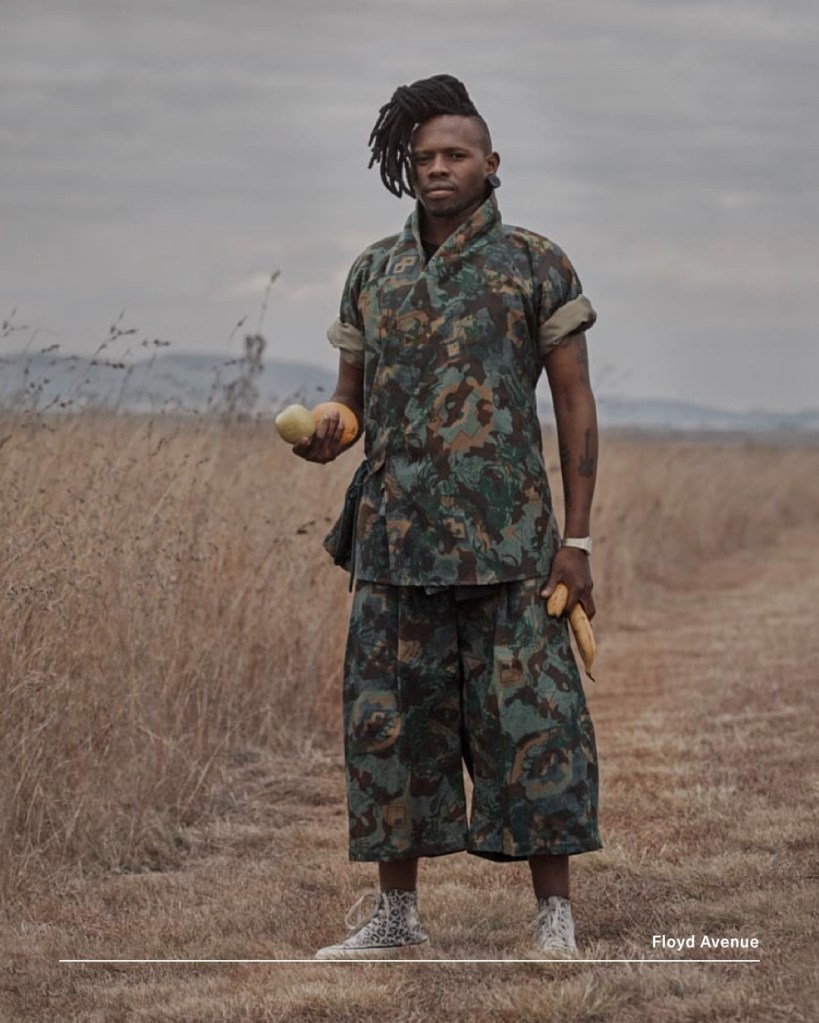
Floyd Avenue represents a very specific visual memory for anyone who grew up in Soweto — the wide-leg trousers, the rebellious street silhouettes, the early-2000s swagger influenced by Jozi, and the fearless experimentation of kasi youth pushing style boundaries. His signature culotte-style pants, cropped proportions and sculptural tailoring come straight from that world.
Floyd’s work doesn’t mimic global design; it elevates local codes. He takes the ingenuity of township tailors — the sharp cuts, the bold fabric choices, the confidence — and transforms them into contemporary menswear that feels immediately South African. His recognition as the first Soweto designer to win GQ Scouting Menswear wasn’t just a personal win; it was a cultural moment, marking the arrival of a design language shaped by Sowetan memory and kasi punk attitude. His tailoring is unmistakable: local, loud, precise and deeply rooted in identity.
KASI FLAVOUR
Street–soccer attitude and township confidence translated into expressive South African fashion.
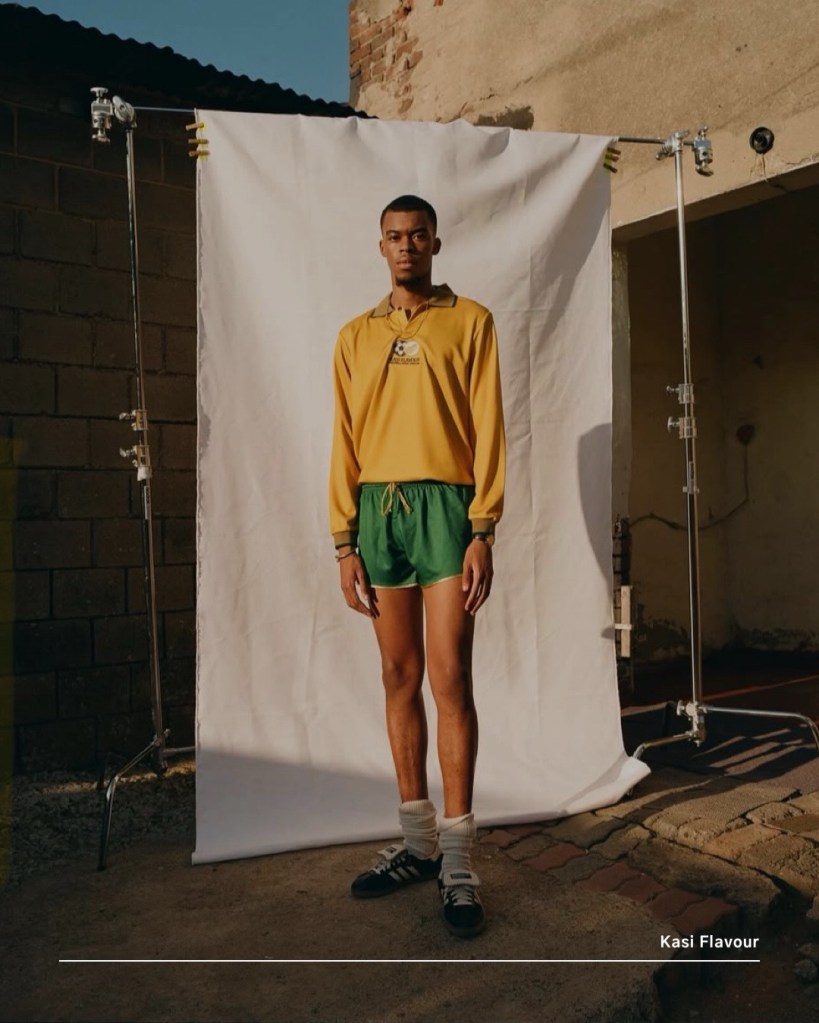
Kasi Flavour channels the unmistakable energy of growing up ekasi — the pickup soccer games at dusty fields, the loud laughter of boys racing down the street, the coordinated outfits worn to make an impression on a Saturday afternoon. Their clothing carries the same rhythm and boldness: colourful jerseys, playful silhouettes, and a visual confidence that feels alive. Nothing about the brand feels diluted or softened. Kasi Flavour presents township style as it is lived — vibrant, raw, youthful and bursting with personality. Their pieces embody that fearless sense of dressing that comes from community culture, where style isn’t curated for approval, but created from joy, movement, and everyday self-expression.
LOXION KULCA — THE ORIGINAL BLUEPRINT
The architects of South African streetwear and the godfathers of kasi style.

Loxion Kulca is the bedrock upon which modern South African streetwear was built. When they emerged in 1999, they didn’t follow global trends — they created a local movement that documented township identity with an honesty and grit no other brand had captured before. Their workwear silhouettes, bold logos, and colours inspired directly by township life sparked a cultural shift. Loxion Kulca made it possible for young people to take pride in their environment and to see the hood as a source of style rather than something to escape. Every brand inspired by kasi today — from luxury streetwear labels to editorial menswear — owes a debt to their legacy. Loxion Kulca is not an influence; they are the foundation.
DESIGNERS ROOTED IN MEMORY
THEBE MAGUGU
Luxury fashion rooted in memory, womanhood, childhood and South African storytelling.
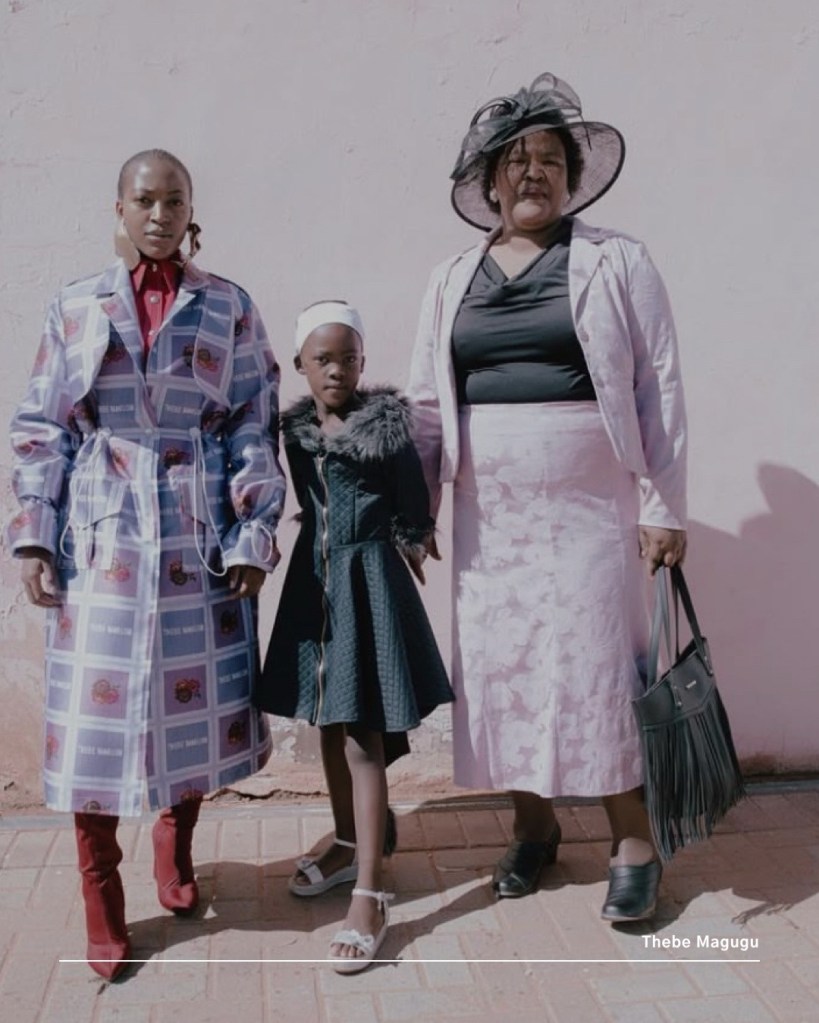
Thebe Magugu’s work feels like literature translated into clothing. His collections draw deeply from the emotional terrain of South African life: the uniforms of childhood, the rituals of matriarchs, the political histories we inherit, the soft yet complicated textures of township upbringing. His garments balance the familiarity of memory with the precision of luxury craftsmanship. A Magugu collection often feels like a quiet history lesson — subtle, symbolic and profoundly personal — yet always presented through a global, contemporary lens. He shows that South African stories carry the same weight, relevance and beauty as any international reference point in fashion.
MUNKUS
A multi-generational love letter to Black South African women and the domestic culture that shaped us.
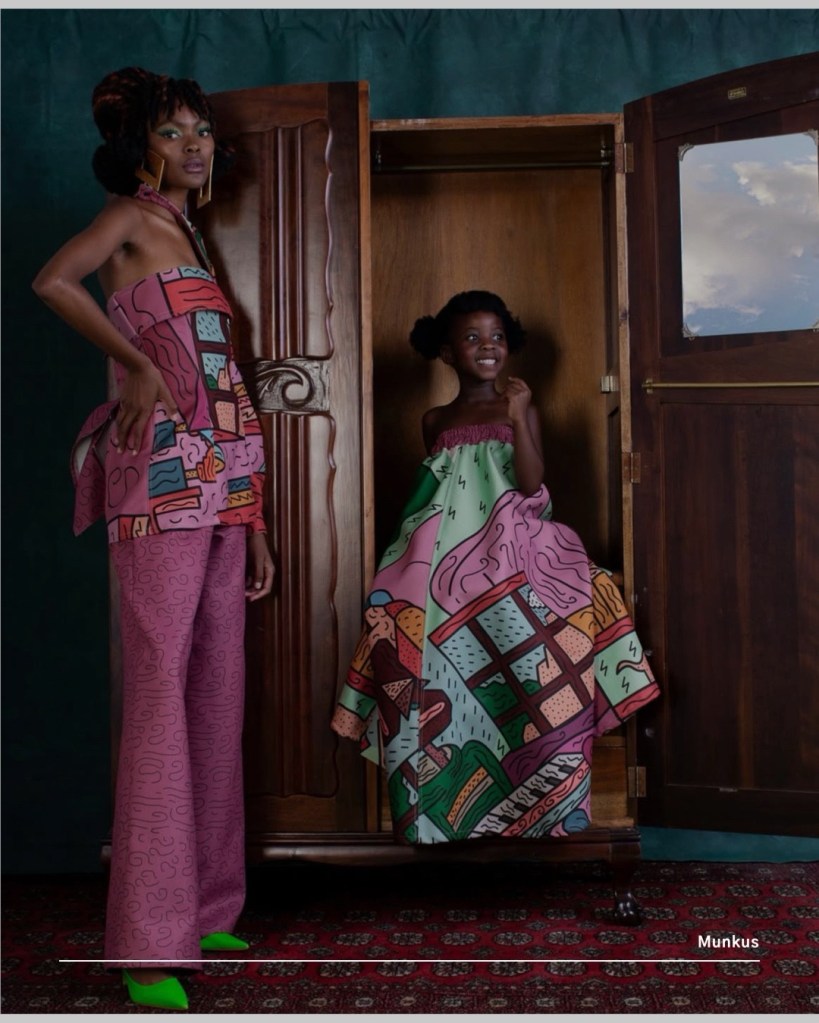
Munkus designs with the sensitivity of someone who remembers everything — the prints on her grandmother’s dresses, the textures layered by mothers on cool mornings, the silhouettes worn in old family photographs. Her work draws from domestic nostalgia and the elegance of Sophiatown-era femininity, blending these references into contemporary pieces that feel both familiar and new. Each garment carries echoes of home life: the warmth of inherited clothing, the creativity found in everyday dressing, the quiet glamour of the women who raised us. Munkus transforms these memories into modern fashion that honours lineage while confidently moving the aesthetic forward.
THE FUTURE IS DRESSED IN KASI PRIDE
By reclaiming the township as a site of power and luxury, this creative generation ensures that istayela — the spirit of reinvention and originality — will continue to lead South Africa’s fashion future.
Township culture is not returning.
It has always been the blueprint.
And the world is finally catching up.
 The Jozi Collective
Leave a comment